
Yesterday, I experienced a garden of endless calm. Not my own, but one of those open estate gardens you find dotted around the countryside. This particular one was Longstock Park Water Garden.
https://leckfordestate.co.uk/longstock-park-water-garden
We arrived about five minutes before opening time. It was a warm morning—like most this year—dry and a little hazy. The air held the scent of sun-heated vegetation, and something sweet and earthy. We paid our entrance fees and were granted access.

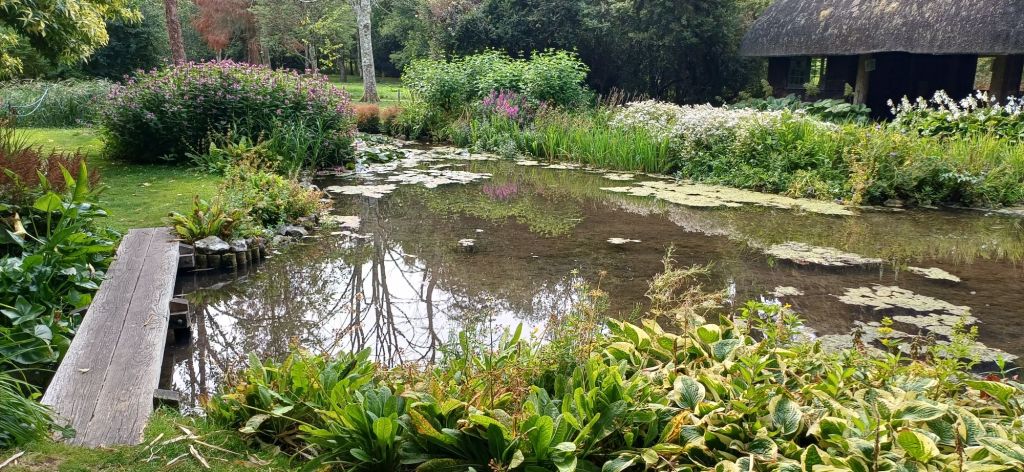
A few steps in, the little tree-lined path opened out to a large pond surrounded by perfectly placed trees. Everything about it was drenched in tranquillity. The well-timed dance of tall flowering plants swaying harmoniously in the breeze. A continuous, delicate shhhhhhh sifting through the leaves, and the Water Lilies gently bouncing with the ripples upon the surface of the pool.
As we began our walk around the gardens, I first noticed a giant variety of Rudbeckia growing along the path—towering yellow flowers, seven feet tall or more. I always appreciate bumping into perfect specimens of plants I’m either growing or trying to grow. They encourage continued care or inspire me to keep trying. In this instance, I believe these Rudbeckia to be of the Herbstsonne variety. I did have an attempt with these at home, but the slugs looted the lot in the blink of an eye. Although that was a disappointment, I did have success with two other Rudbeckia varieties: Prairie Glow and Goldsturm. I’ll be sure to try establishing a patch of Herbstsonne again next year.

The walk was unguided, and as we curiously roamed, we found wooden bridges leading to small grassy islands in the pool, all interconnected—appearing to divide the pond into separate sections. All around, new interest popped up as we wandered: exotic trees and plants, Hostas down low, and giant Redwoods reaching far into the sky like forest skyscrapers.
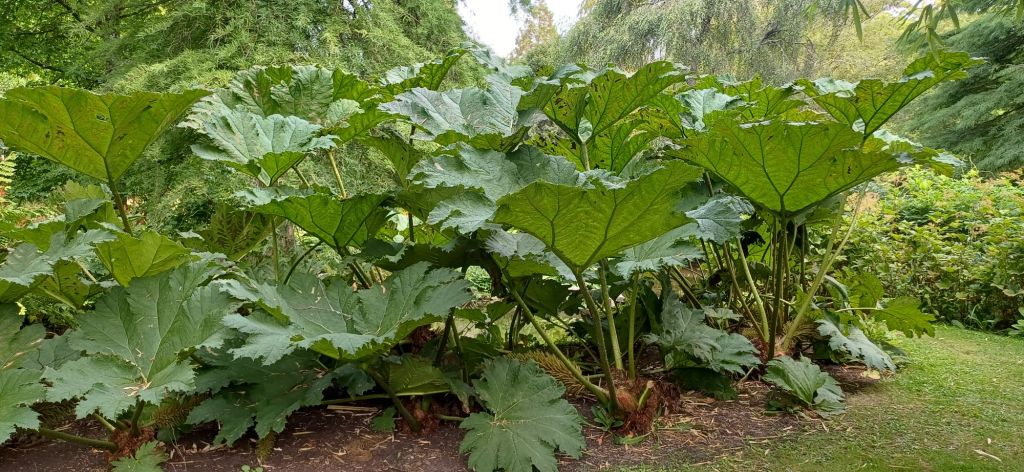
A huge Gunnera on one of the islands stopped us in our tracks. It’s hard to ignore a plant with such enormous leaves. Whenever I spot one, I instantly picture a comical caveman scene—using the leaves as umbrellas in the rain as they went about their hunter-gatherer business thousands of years ago.
Bees were abundant, seeking out their favourite pollen-packed flowers from their nearby hives. Many blooms were humming with insect activity. It felt as though the place was in synchronicity with nature—ducks rummaging through lily pads for snacks, shoals of fish visible just below the surface, seemingly awaiting one to make the first move so they could all set off together.

Along the bank, uplifting scenes of damselflies and butterflies flittering hither and thither. They seemed to be having just as good a time as we were.
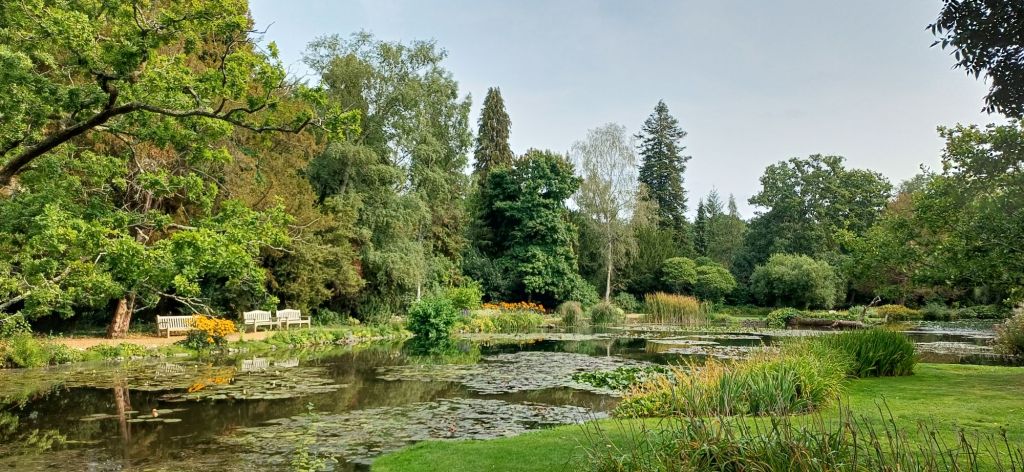
The water gardens provide such a wonderful place for wildlife to thrive. When you see that kind of response to a garden—it’s almost like nature is giving some kind of approval.

As the seasons change, I can imagine these gardens taking on exciting new moods. The wild, natural look would play into those changes beautifully. It must take a lot of work to keep this place looking the way it does. As much as I enjoy a formal garden, it’s the wild, informal ones I want to learn from most—because I want to craft that natural feel into my own.
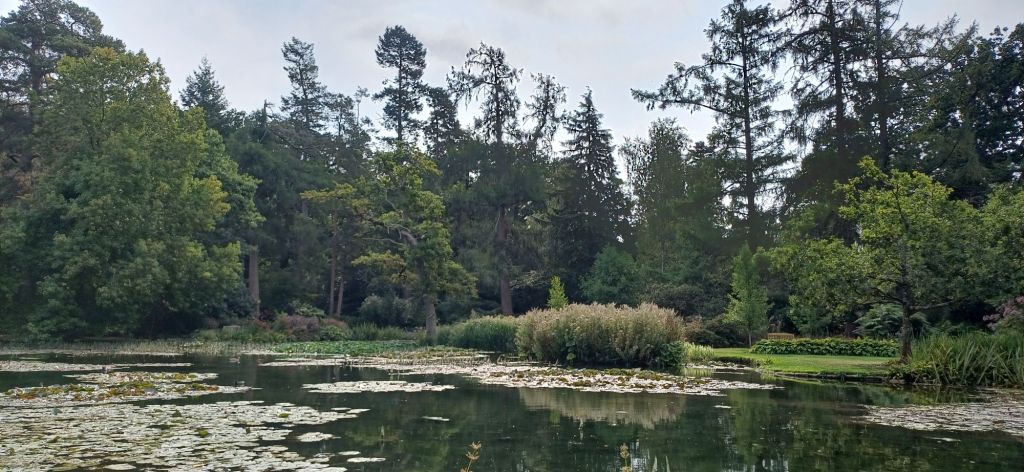
We wandered back toward the entrance, the relaxed atmosphere of the water garden still lingering around us. I left with a renewed sense of patience—reminded that even the most amazing gardens are shaped by persistence, care, and a touch of the wild. These gardens don’t just fill you with awe and admiration; they offer ideas and encouragement.

I carried that feeling home with me, and let it guide the next steps in my own patch, once I break free from the current indoor DIY tasks that are sapping the life out of me, and keeping me away from the garden. That said, I still have plants being delivered, so even when I’m busy inside, my mind is outside.

Discover more from Shrubliminal
Subscribe to get the latest posts sent to your email.
 Shrubliminal