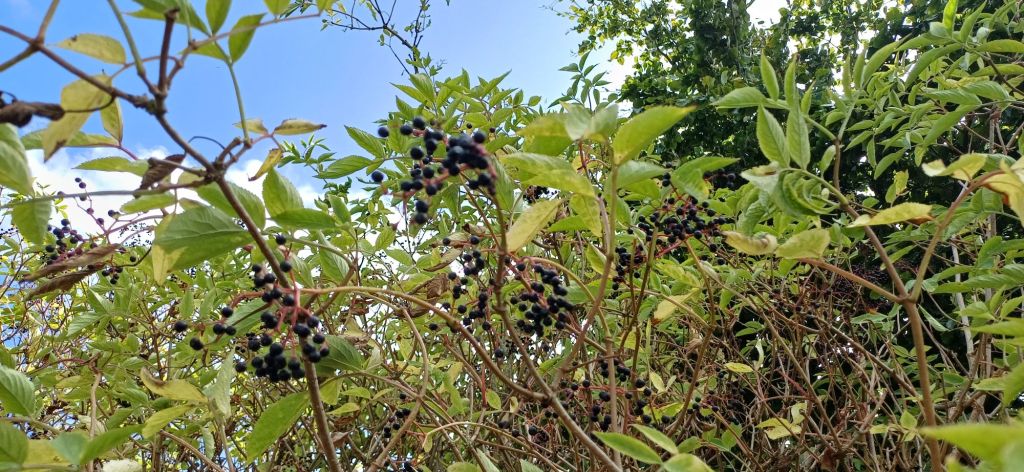
The elderflowers are long gone. But there’s another chance to enjoy elder, and it’s happening right now. From late August to October, the same bushes you gathered elderflower blossoms from will now be full of berries. Having had such success and pleasure from the flower cordial, I’ve decided to make a berry cordial. Syrups are super simple, and from my early experiments, I can confirm: this was a good choice. It makes a deep blood-red syrup and an almost Tizer-red fizzy drink when mixed with sparkling water.

Elderberries are easy to identify by their drooping clusters of small, glossy, dark fruit—presumably weighed down by their own juicy abundance. I snap off whole bunches and bag them as I go—far more efficient than fiddling with stems in the field. Once home, all you’ll need is a fork to remove the berries from the stalks; it makes light work of it. It’s far easier than harvesting the flowers, although you’ll probably end up with red-stained fingers unless you wear gloves.
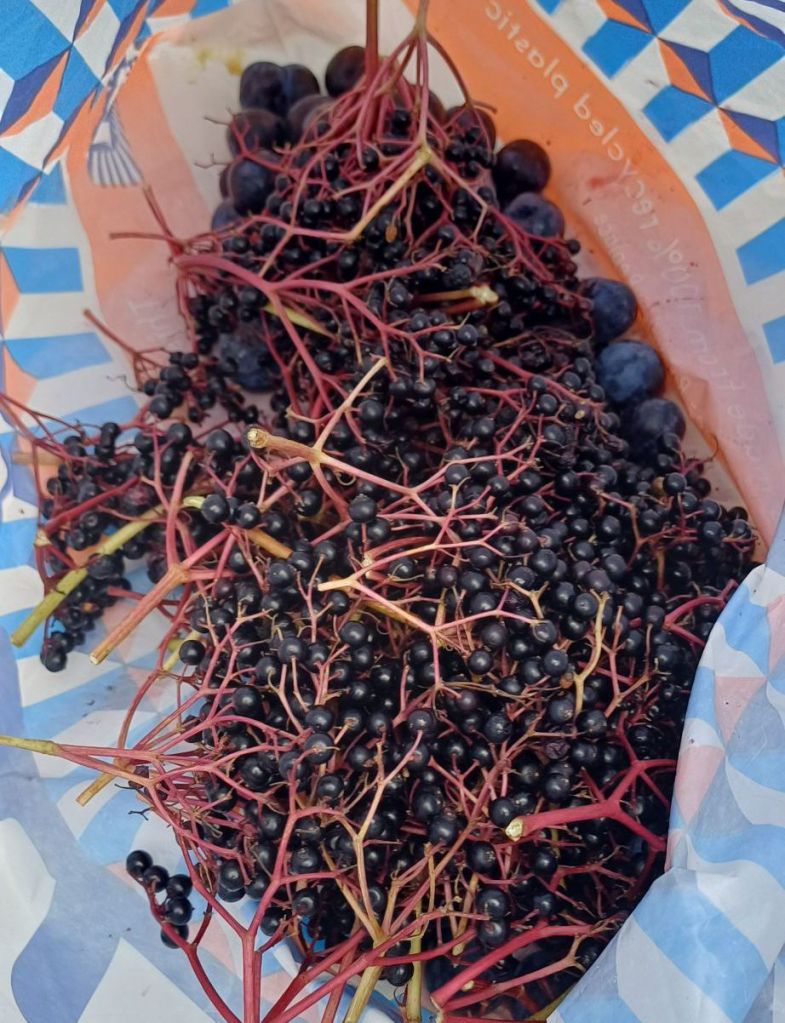
Once removed, I give the berries a light rinse and place them in a saucepan with just enough water to cover. I heat gently and use a masher to extract all the goodness and flavour. Once I’ve encouraged as much out as I can and the berries have boiled, I cool and strain the liquid through muslin cloth. Measure the strained liquid, return it to the pan, and add sugar equal in weight to the volume of liquid—so for 500ml of strained juice, add 500g of sugar—plus ½ teaspoon of citric acid per 500ml of syrup. Bring to a boil to dissolve the sugar, then cool, bottle, and store in the fridge.

The taste of the finished cordial is fantastic—a real surprise. It’s nothing like the flower cordial; it’s completely different, a true wonder of its own. The flowers are unbeatable in flavour, but the berry cordial holds its own—rich, bold, and full of character. The flavour is distinctly adult—dark, fruity, and bold. If the flower cordial makes summertime in a glass, the berries definitely capture autumn in the same way. I’ll play around with additional ingredients next time—maybe some ginger and cinnamon. Trying different things, having a go—it’s all good enough reason to go collecting these wild ingredients. There’s something very wholesome about turning overlooked berries into something delicious.
Foraging and making use of the wild foods around us is a joy and a useful skill. It may have fallen out of fashion, but that’s likely due to the difficulties in processing, making these ingredients less commercially viable—not because of any lack in quality or flavour. Just like tomatoes and other vegetables you might grow yourself, you won’t find anything in the supermarket that tastes as good. The syrup is almost healthy too, if you overlook the sugar content. You can enjoy it as a treat with bonus immune system benefits. Elderberries are rich in vitamin C, antioxidants, and fibre. Many of these plants have been used for centuries as folk medicines for colds and flu. Whether or not it really works, it is nice to think there’s more to it than taste. It’s a great reminder that nature gives us so much—and not everything has to come wrapped in plastic.
As I’ve mentioned in a previous post: learn about the plants you’re seeking and make sure you identify them correctly. Research and experimentation are fun when you get it right—less so when you don’t. This is not a guide; there’s no substitute for careful learning. But if you’re cautious, making sure you’re completely certain of what you’re doing, elder will reward you. Again!
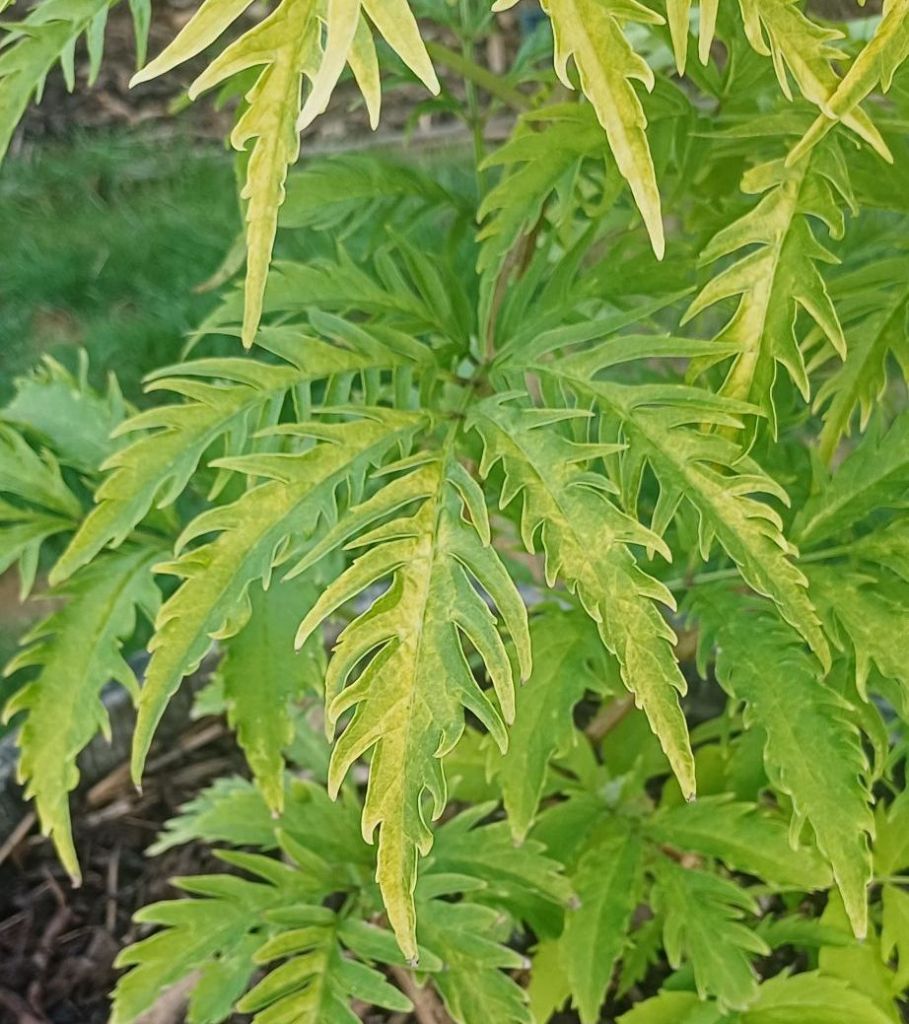
Apples, damsons, bullace, blackberries, sloes, and a scattering of nuts are also ready from now going into autumn. Worth a walk, if you’ve got a basket or a bag. Better still, add elder to your garden, then you won’t have to go far.
Discover more from Shrubliminal
Subscribe to get the latest posts sent to your email.
 Shrubliminal