An unusual Buddleia that you’ve probably never seen. Buddleia colvilei
This morning, whilst the kettle was making its usual racket and frost covered the garden outside, a story of botanical festive joy unfolded on the living room windowsill. My young Buddleja colvilei had produced some beautiful flowers for me as a Christmas gift. Deep crimson/purple, pendulous, quite wonderfully bell-shaped, and rarely seen in gardens. I kept it indoors as I was worried it wasn’t hardy enough yet, but I was also unsure if it would survive in the dry warmth of the house. Anyway, here it is, basking in the low winter sun, offering a single bloom—an active flare of colour as the other Buddleias outside remain dormant. Buddleia colvilei flowers have no fragrance whatsoever, but they are very generously sized flowers in comparison to other Buddleias, making it particularly interesting. Something less common but radiant is such a wonderful surprise for Christmas. I might consider other slightly rare and less hardy Buddleias as possible future house plants if this one continues to be a success. One with scented flowers would be good, I’ll start looking into that for next year. Talking of next year, I have also put in a big order today with Farmer Gracy for next years summer flowering perennial plants, and some of my daffodils are starting to pop up. So that’s it, it is officially starting again.
I told myself I was loving it. That the colder, damp air and fallen leaves were great. That the buds on the forsythia and winter-flowering honeysuckle were all positive signs. I even said it aloud—something about how it wasn’t the end, just seasonal change, etcetera. But in truth, I was hating every minute of it.
Summer was slipping through my fingers, and with it, my plants. The lushness, the abundance of colour, the warm, long evenings filled with floral fragrancs. I watched my garden fade and pretended I was cool with it—smiling at the shrivelled silhouettes whilst quietly sickened by the collapse.
Still, I kept walking around the garden, though much less often and less enthusiastically. I kept pretending. And then, somewhere along the way, it changed. The story I was telling myself became real. The garden was transforming, and I let it.
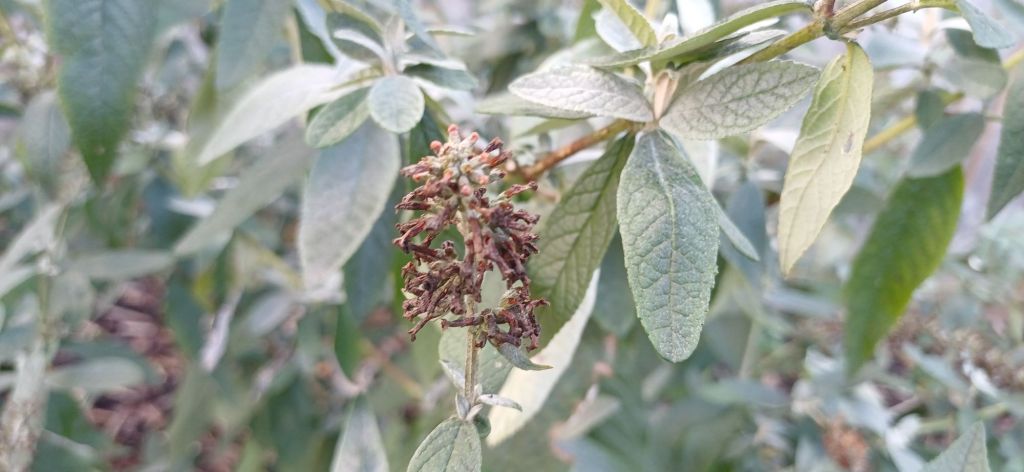
Buddleia ‘Flower Power’ now reduced to no power
I no longer felt the need to be so attached to the odd flower, and once I stopped trying to salvage summer, it got much easier. Fake it ‘til you make it, as they say—whoever they are. Most likely what happened is the garden declined so far beyond saving that I just gave up hope, and somewhere within that surrender, I accepted it.
When walking the garden recently, the seasonal changes were impossible to miss. The last remnants of summer were barely hanging on. Nothing left was worth worrying about—it was all just organic debris. And what a relief. With nothing to cling to, I could finally see all the shifts more clearly: the plant structures emerging from the mess, a magical collection of leafless frameworks, and the quiet beauty of decay all around them.
Nature teaches you things, if you’re paying attention. This is a good lesson in patience, and it extends far beyond the garden. Not everything is instantly enjoyable—but with time, we can get used to things. Even grow to like what we once resisted. Autumn has always had its charm, but I’d never watched a whole garden fall apart day by day—especially not one I’d poured effort and money into. A beautiful, vast autumn landscape is one thing, but a small garden where everything is dying in front of you is another.
Well, it’s all dead now. All that’s left is the autumn face of my garden, and I’ve come to like it. Though it is an acquired taste. It’s also a bit harder to love, since it follows my favourite season of the year. It’s just a bit different, that’s all. Fortunately, all the foundations of my much-loved plants are still there. I’ll hopefully see them bounce back again in the spring.
At the beginning of autumn, a few late summer flowers still hung on, but they worked as a distraction—overshadowing the autumn beauty that was trying to emerge. I guess glitter isn’t much next to diamonds. But take away the diamonds, and glitter gets its big moment too. That’s where we are now—no diamonds, just glitter. Barely any summer flowers remain now.
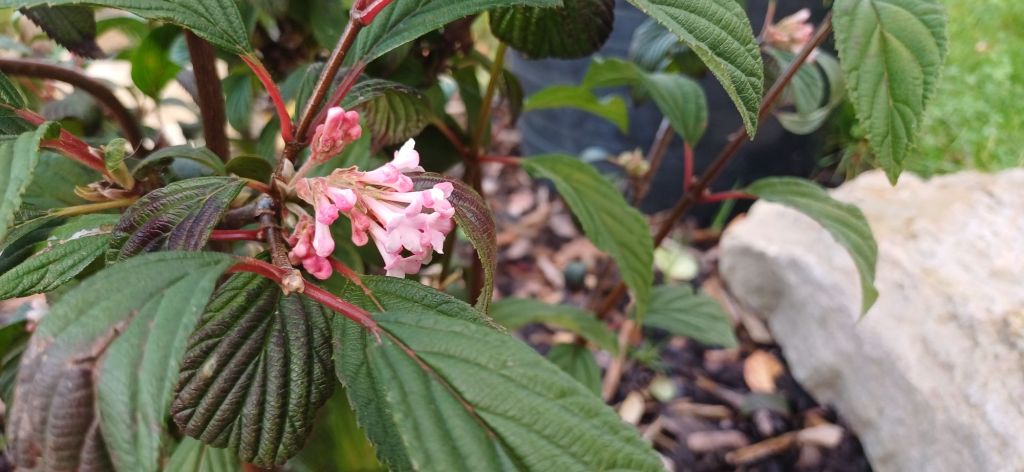
Viburnum ‘Bodnantense Dawn’
There’s something bittersweet about admiring dying flowers and crunchy brown leaves. It’s a bleak outlook, but it’s all part of the natural cycle. The roots are still growing, and we have winter flowers beginning to appear, so it’s still a wonderful place to be. We’re in a phase of waiting now—hopeful, nervous, maybe a bit unsure. It’s a gamble, and patience is the only strategy. There’s nothing else I can do but wait.
I’m putting it all to the back of my mind. The garden doesn’t need much now or over winter, and maybe I don’t either. The grass had a final cut, and the frosts have arrived. I’ll put my trust in the process now, do what the garden does—and have a little rest.
I’ll still walk the garden, even when it’s frozen solid. I’ll enjoy the cold, fresh air. Compliment the frosty evergreens on their hardiness. Just be there, alongside the garden. In hands-off mode, but actively optimistic whilst winter storms bear down on us.
FROST!!
What have I been doing in the garden recently? Not much. I’ve mainly been splitting logs for the fire and pulling the odd weed. The grass has been cut and shouldn’t need cutting again until next year. I’ve been tidying up the storage cupboard and checking on a few young cuttings. Fallen leaves will stay where they land—worms can take care of them when no one’s looking. I think I’ll let everything rot down in place.
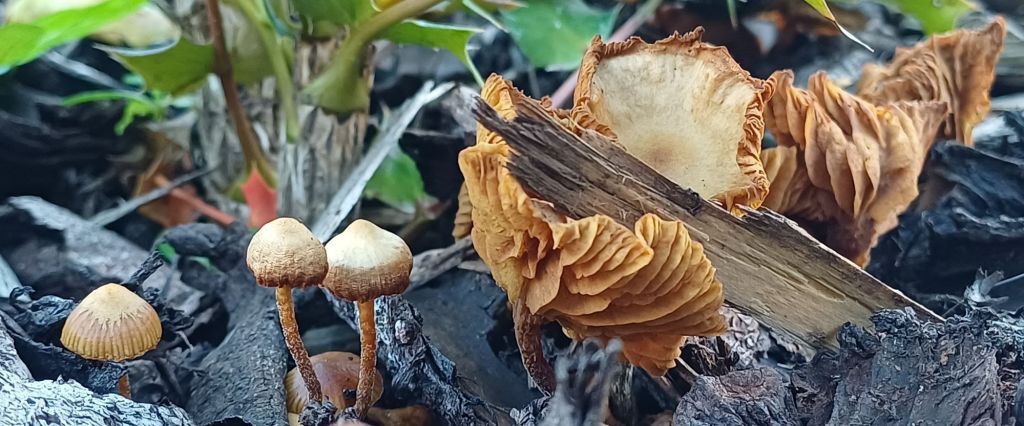
The mushrooms have been a nice surprise this year—we seem to have had loads more than last year. I enjoy spotting the clusters suddenly appearing out of nowhere. Speaking of sudden appearances, my neighbours kindly gave me a Rheum palmatum, which I’ve now planted. I’m hopeful this one will be a success—I managed to kill the last one.
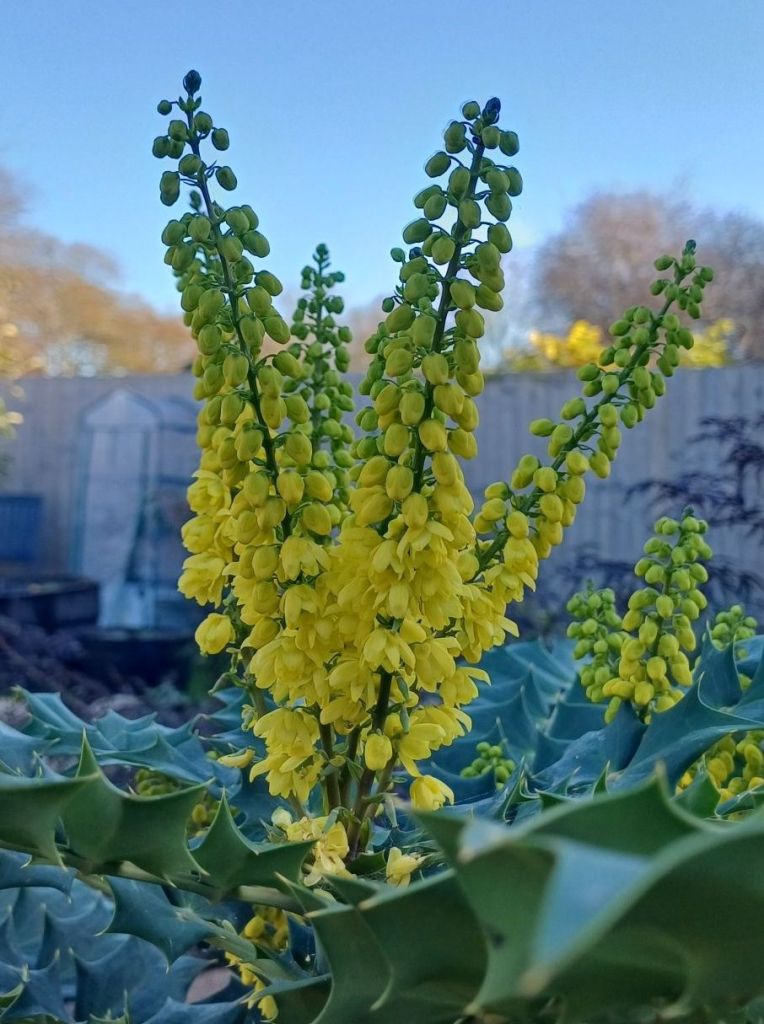
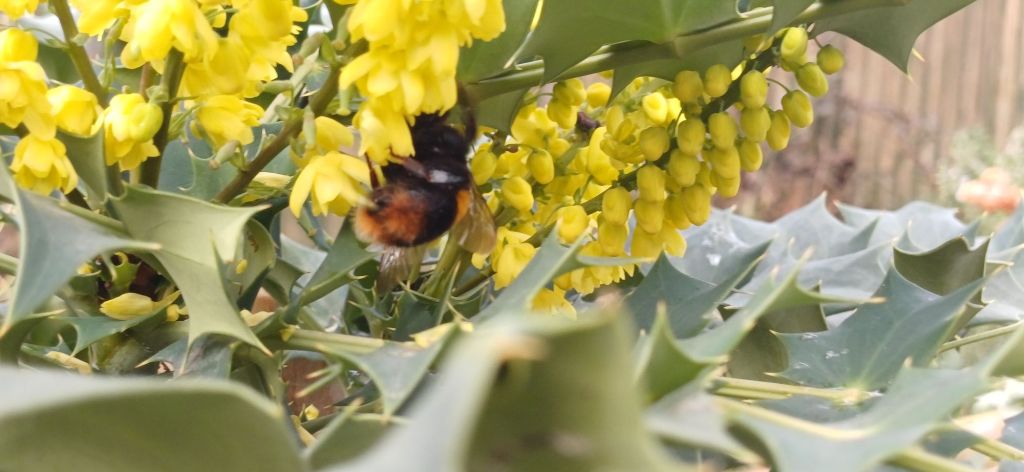
My Mahonia ‘Winter Sun’ has started blooming—there are loads of flowers. Against all expectations, it’s really settled in well in its first year. I read that it might not do much until its second year, so that’s a real bonus. I’ve seen an enormous bumblebee visiting the Mahonia recently. It’s great that the garden still has something to offer bees at this time of year.
I have some Sarcococca cuttings I’ve been growing indoors—they seem to be doing well. Eight out of ten have rooted. One died, and the other is still undecided. I’m pleased with that success rate. The more I can grow for free, the better. I plan to scatter many around the garden, kept small. Little perfume power stations to lift spirits in the winter months.
So that’s where I am now—watching, waiting, and letting things be. The garden’s quiet, but it’s still being a garden as far as I can tell. I’m not trying to fix or force anything. Just showing up, doing the odd job, and trusting that spring will come eventually and all my plants will survive. That’s enough for now.
A lovely start to this week: a visit to Stourhead, one of the National Trust estates. We arrived on a slightly misty, wet, and gloomy morning—the kind of weather that doesn’t just threaten rain, it makes promises of it. Forewarned by modern sorcery (my phone’s Weather App), we came armed with ancient technology to ensure dryness: the mighty umbrella.
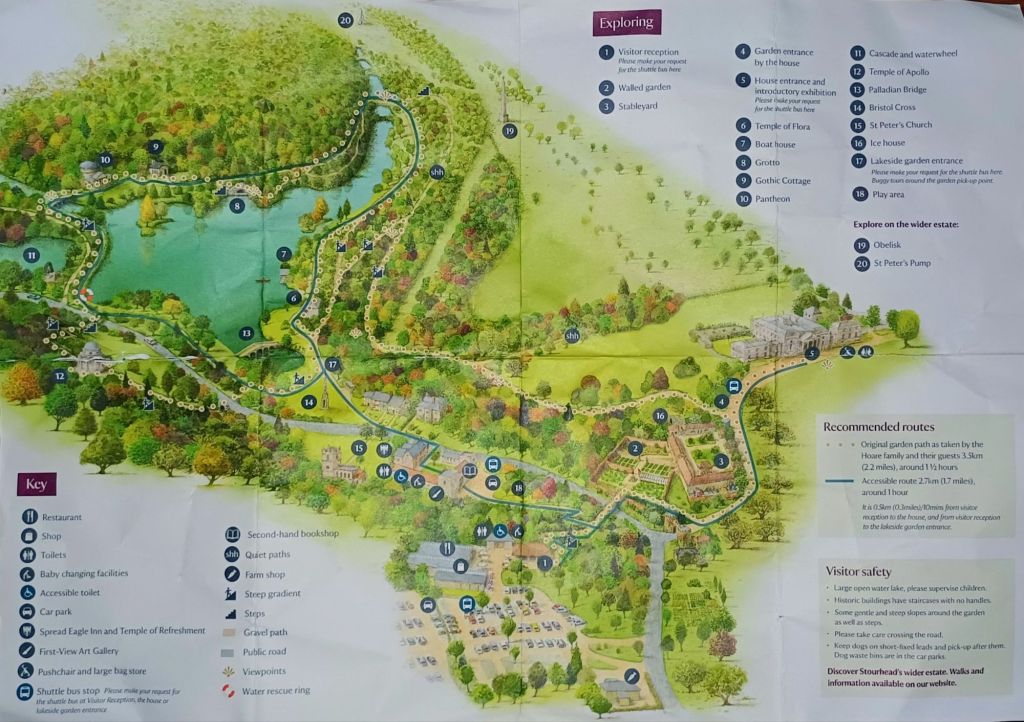
Map
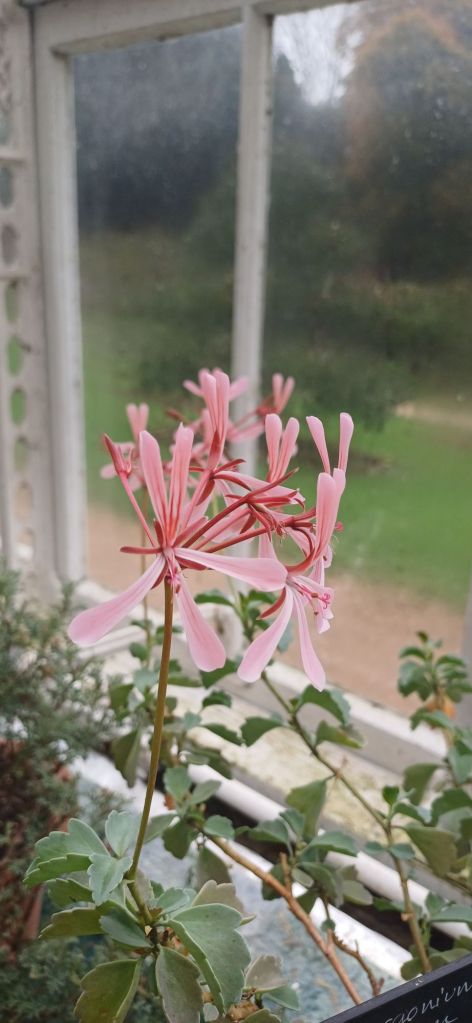
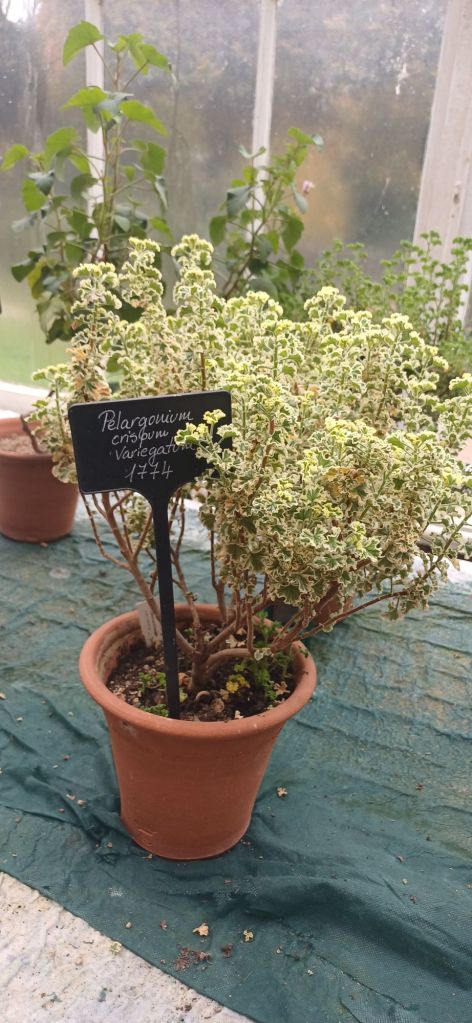
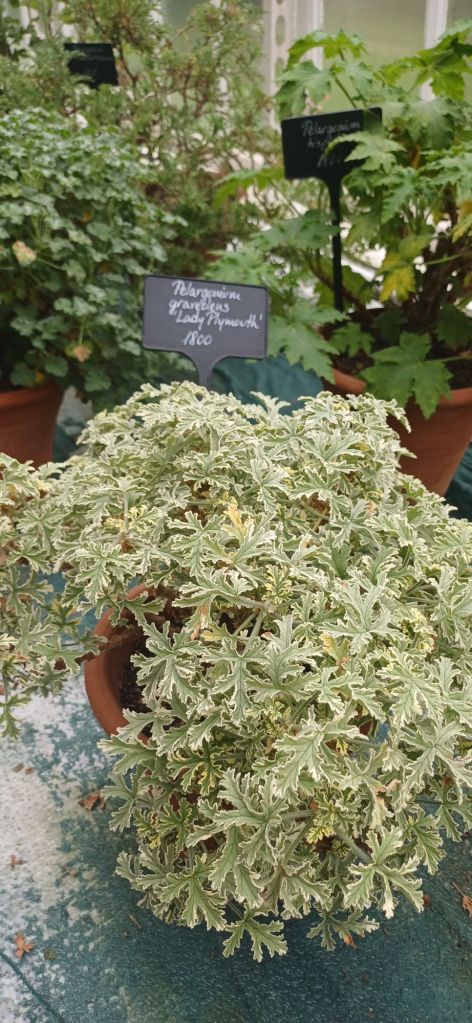
Map in hand, we set off. First stop: the walled garden, where a long greenhouse housed a vast collection of beautiful Pelargoniums. Leaving through the old stableyard, we could already tell we were in for a treat.
The Pelargonium GreenhouseGreat grate
Beyond the stableyard gates, we took the main path up to the magnificent house. A pleasant peek inside, though since it’s not related to gardens or nature, I’ll leave it more or less there. I’ll just say, it had the sort of opulence that makes you stand up straight. From the house we chose to follow the original 2.2-mile garden path once used by the Hoare family (former inhabitants). I remember thinking: if I walked 2.2 miles in my own garden, I’d probably end up with a circle—or worse, a shallow hole in the lawn.
Stourhead House
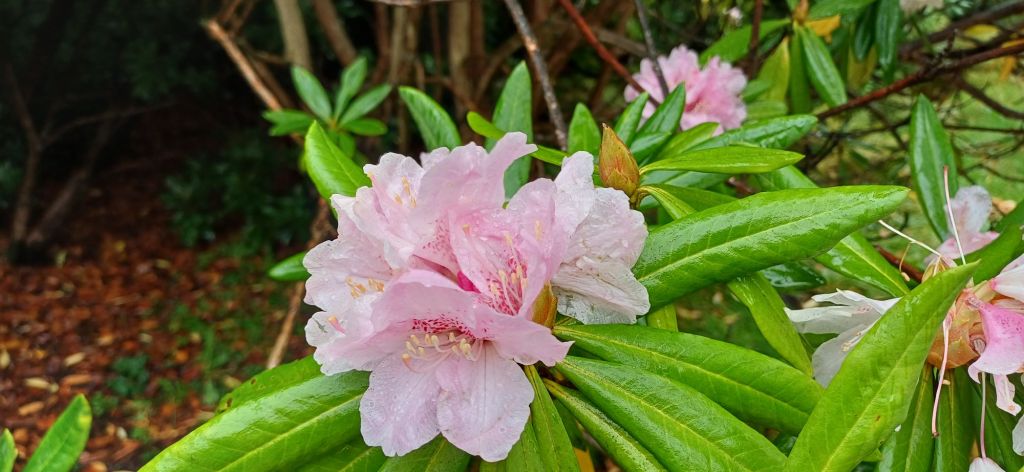
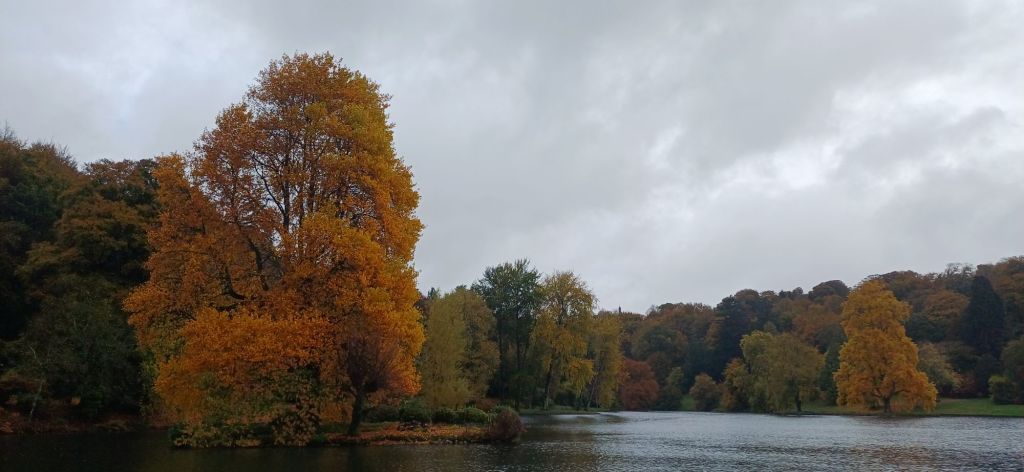
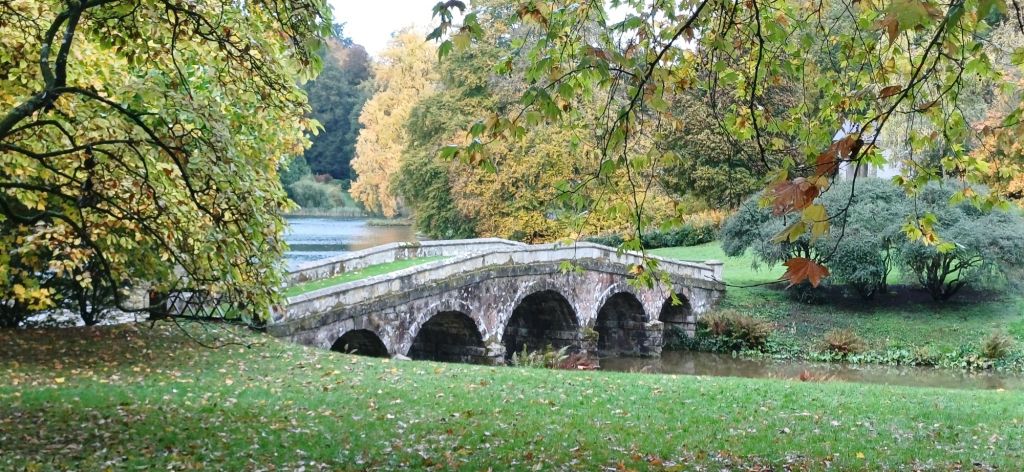
Off we went, along the first path surrounded by blips of autumn colour, then arriving at an elevated viewpoint overlooking part of the lake and its Palladian bridge, perfectly framed by trees. From there, we descended in a short gentle zigzag down a tree-covered hillside, the canopy dripping from all the recent rain. At least one rhododendron was in flower, much to the delight of the busy bees. The wet, glossy leaves looked at their very best, and the smell of damp woodland hung in the air—a reminder not to let rain become a barrier. It wasn’t a warm and sunny day but it was another kind of experience altogether. A wonderful one, at that.
Palladian bridge framed in treesThe path to the lakeBeautiful pinkCan’t ignore a hydrangea
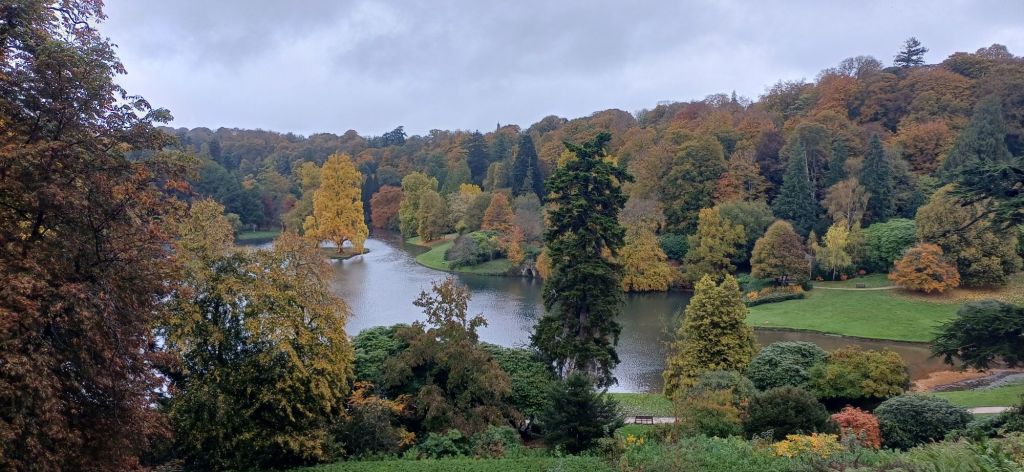
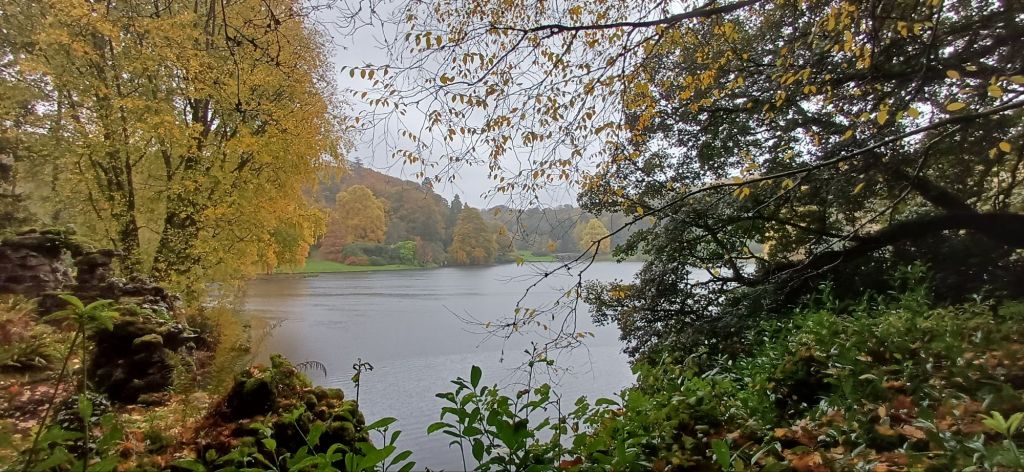
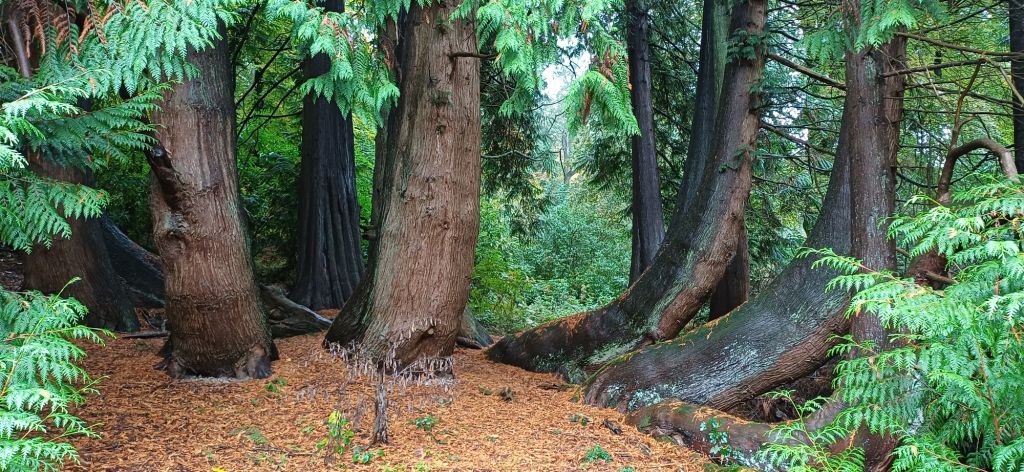
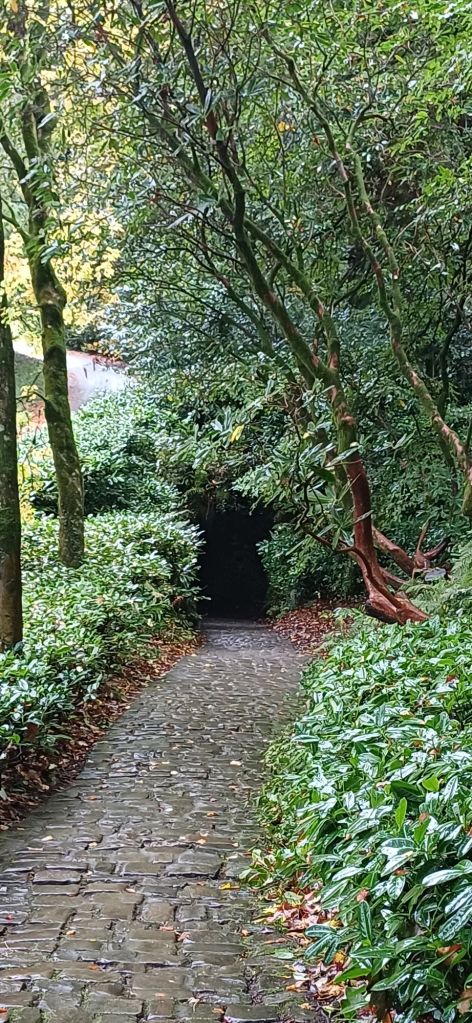
At the lake, the show truly began and right on cue, the heavens opened. Umbrellas deployed, we walked through the downpour, which only heightened the dramatic scenes of autumn we were enjoying so much. Theatrical undulations up and down, intertwined with open light areas and deep shaded parts, monster trees, and stone-lined tunnels leading to points of interest like the mystical Grotto. Even the soundscape changed as we walked through the different sections—rain on the tree canopy and lake, trickling water, and moments of muffled quiet or echoing as we passed through tunnels. A metaphorical stream of sensory tonic—stirring, immersive, unforgettable.
Part of the lake
The grounds are a landscaping masterpiece. The lake is a stage, and temples, grottos, and bridges all play their parts. You don’t so much walk around Stourhead—you float. Each bend reveals a new scene, like the panning of a camera capturing a panorama. The planting is restrained but evocative. Mature trees anchor the drama, while rhododendrons and azaleas offer seasonal interest.
Temple of ApolloOne of many different lake viewsLooks like somewhere dinosaurs would nestPossibly a bridge or just an archway, didn’t find outWoman with dog waits under tree of gold
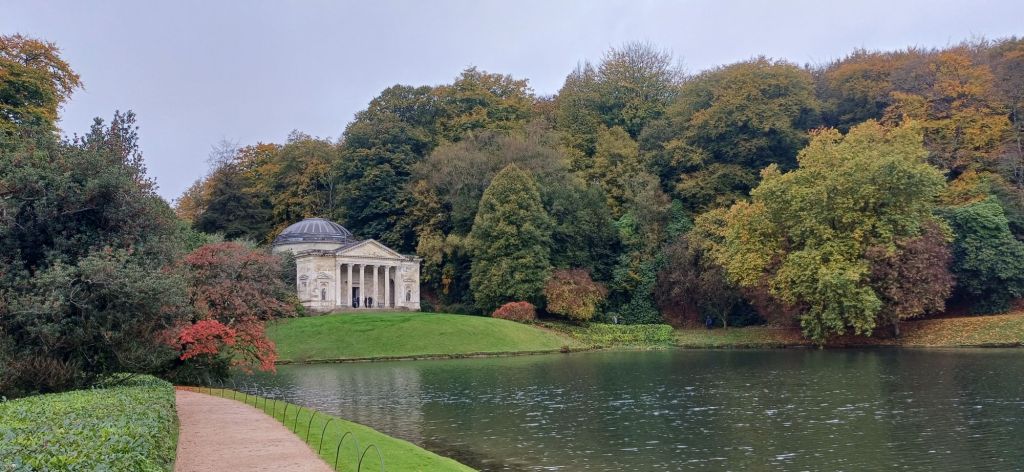
Among the lakeside structures, the Pantheon stands out—perched above the water with a fantastic view. A place to contemplate eternity or, failing that, enjoy a coffee (as we did).
The PantheonNot your usual garden buildingAn excellent place to sit for a while
The Grotto deserves its own paragraph. Damp, echoing, and mythical, it’s the sort of place where nymphs might clock in for work. I half imagined the voice of a mystical creature whispering, “Pssst, follow me!” Or perhaps it was the path itself reminding me I don’t live here and do, eventually, have a home to return to.
The Grotto entranceLooking back to the daylight left behindGrotto windowAriadne (resident nymph), presumably waiting to clock inA rain hole, so rain can be enjoyed inside as well
Stourhead isn’t a showy plant garden—it’s a cultivated, tree-heavy experience. Confident and expertly shaped by human hands. There is a great variety of trees, but it’s not an extravagant botanical collection, nor an arboretum either. Stourhead is a beautiful naturalistic landscape, just as intended. Maintenance is immaculate without being sterile. Even the fallen leaves seem purposefully arranged.
Autumn gloomPalladian bridgeAnother tunnel
Wiltshire’s soul is present in every view. Stourhead is a state of mind that surely speaks of love for the outdoors. It clings to you. You leave feeling slightly more grounded, slightly more contemplative, and slightly more inclined to write a blog about trees—for no particular reason at all.
Here is said blog, complete with photos!!!
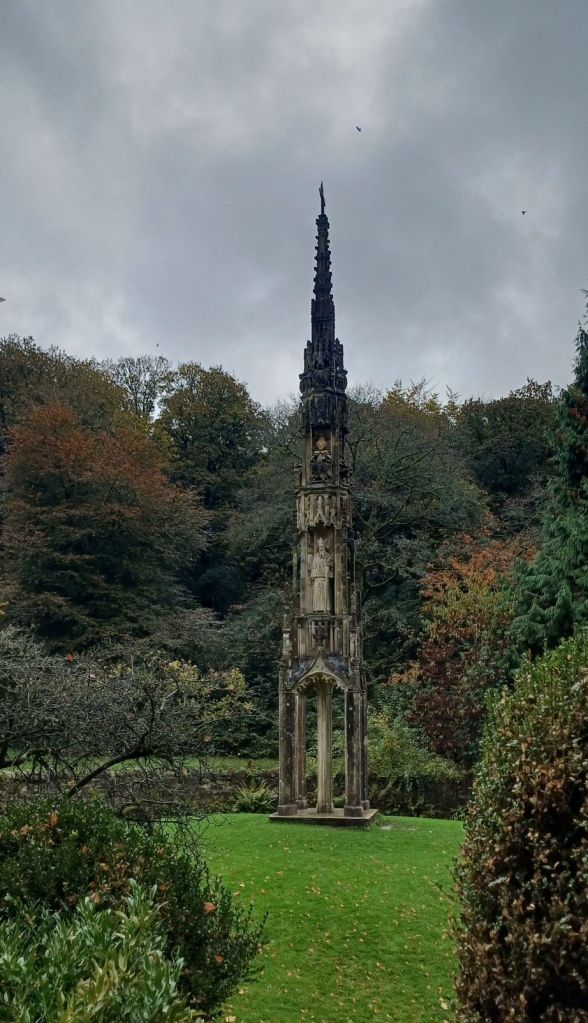
Palladian bridge under heavy rain cloudsBristol High Cross built c. 1373, moved to Stourhead in 1764 because it was in the way
Back home, the first winter frost arrived this week—calm, white, and unannounced. Not as dramatic as Stourhead—but then, I don’t have a country estate to play around with. The garden had frost in patches. It won’t be long before the last remaining plants lose their leaves or quietly bow out until next year. There are plenty of positives to take from the seasonal changes, as I’ve mentioned before, but even so, it’s proving a bitter pill to swallow.
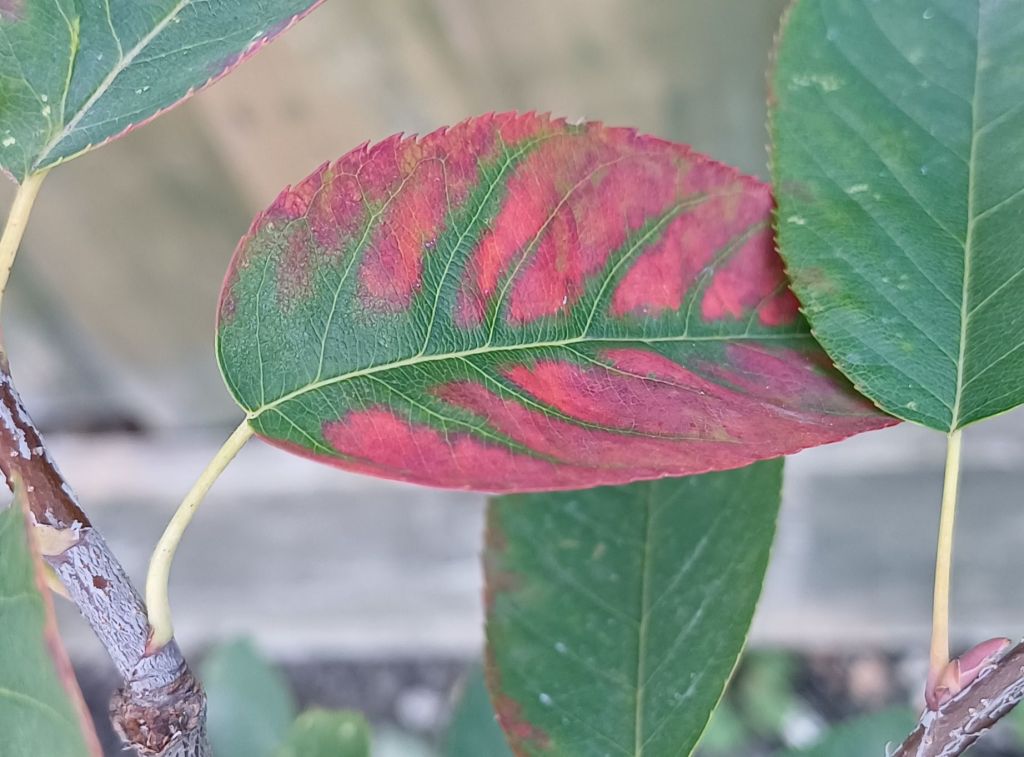
I realised recently that the tidying up I did in the garden wasn’t just something to do—it was an acceptance of the coming winter. Subconsciously, I knew the shift in weather meant summer was done, even though I didn’t want to admit it. The temperatures have dropped, we’ve had rain, and the leaves are turning yellow and red. It’s GAME OVER—summer has finished.
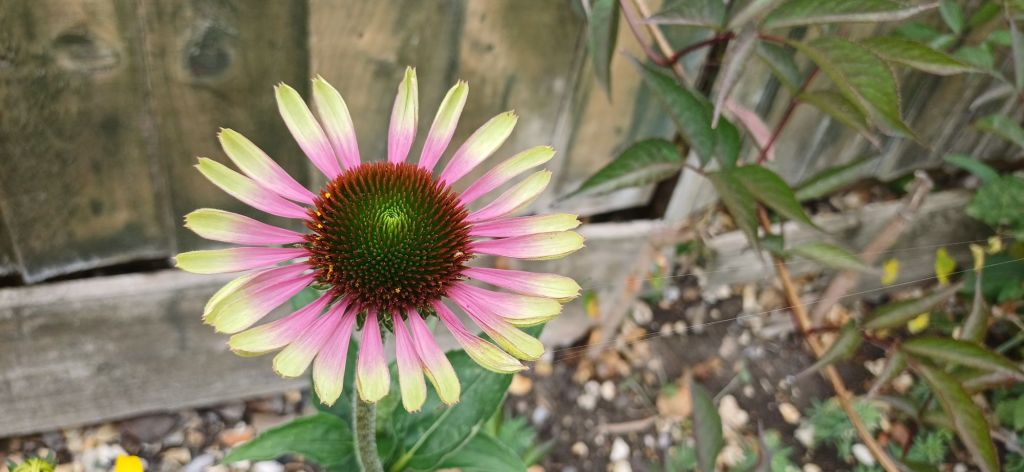
There’s a feeling of sadness in me as I wander around the garden, wondering how much longer the hummingbird hawk-moths will visit. I’ve noticed the rudbeckias and echinaceas are in decline—they’ve certainly looked better—and there’s brown leaves beginning to collect on the grass and pathway.
I wish we were just entering into summer again, but on a brighter note, it was such a good, long summer this year—it didn’t feel like it would ever end. Autumn isn’t really as bad as it seems, and change is inevitable. The colours are exciting, and several plants in my garden are starting to put on dramatic displays. Some are flowering and will continue into early winter. Whilst autumn marks the end of the warmth and showy blooms, every season has its own points of interest—you just have to look for them and plan your garden with this in mind. That’s what I’ve attempted, though with a newly planted garden, I haven’t yet witnessed a full year. So I’m keeping my eyes peeled for any break in the flowering of different plants. Ideally, I don’t want there to be a single moment without at least one plant in flower.
Looking closely at my plants, I see many positive signs. The winter-flowering shrubs are full of tightly packed buds—they look eager to get going. Even the spring-flowering plants are now producing little buds in preparation. As much as I love the summer, I’ve chosen plants that flower at different times because, for my garden, I want it to be a story of constant change—no beginning or end, just different moments unfolding throughout the year. Summer will no doubt always be the best time for big floral displays, but I know I’ll appreciate any flowers at any other time just as much, as will the wildlife that choose to visit us.
Winter will slow everything down, so this year I imagine I’ll be less busy in the garden. Last winter, I was busy planting bare-root shrubs. This year, I don’t have any big plans like that—maybe just a few tweaks here and there. I’ll probably move a couple of plants whose locations aren’t quite right. Perhaps something else will crop up—a new idea, a project—or maybe nothing at all until spring. A period of rest would be nice.
The garden hasn’t really needed much in recent weeks: mowing the lawn, pulling the odd weed. It’s probably the reason I haven’t written as much. I have done a few little things, like taking cuttings—making good use of a pair of propagators I purchased last month. Some are for plants that won’t survive winter, some are duplicates because I want more, and some are spares to be given as gifts. A few cuttings have already failed—my decision to fully close the vents didn’t help—but I’m hopeful for better success with the remaining ones now that I’ve given them some ventilation.
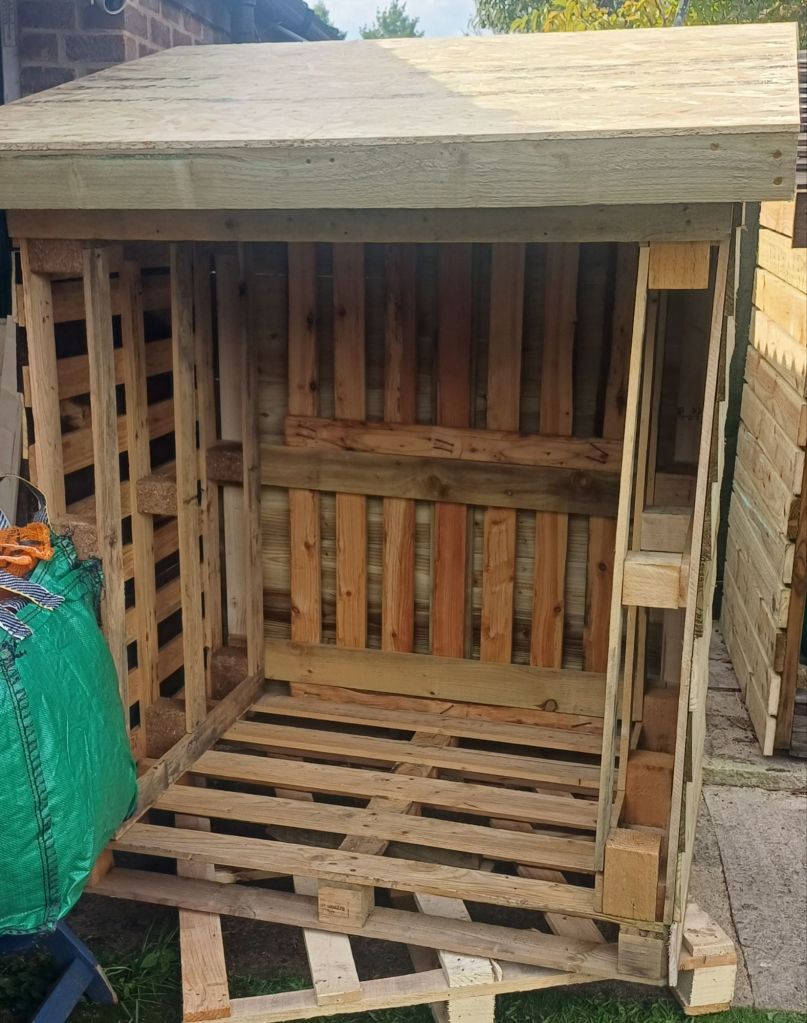
Operation Daffodil will begin at some point soon. My order of daffodil bulbs arrived last week, and I’m hoping to make time to get them all planted by the end of this week. I’ve also had a couple of non-gardening garden jobs to do: strengthening the sides of my original log store and building a second one from old pallets. Fortunately, I managed to get them both completed in time, as a large firewood delivery arrived last week. Now both stores are packed, stacked, and ready for winter.
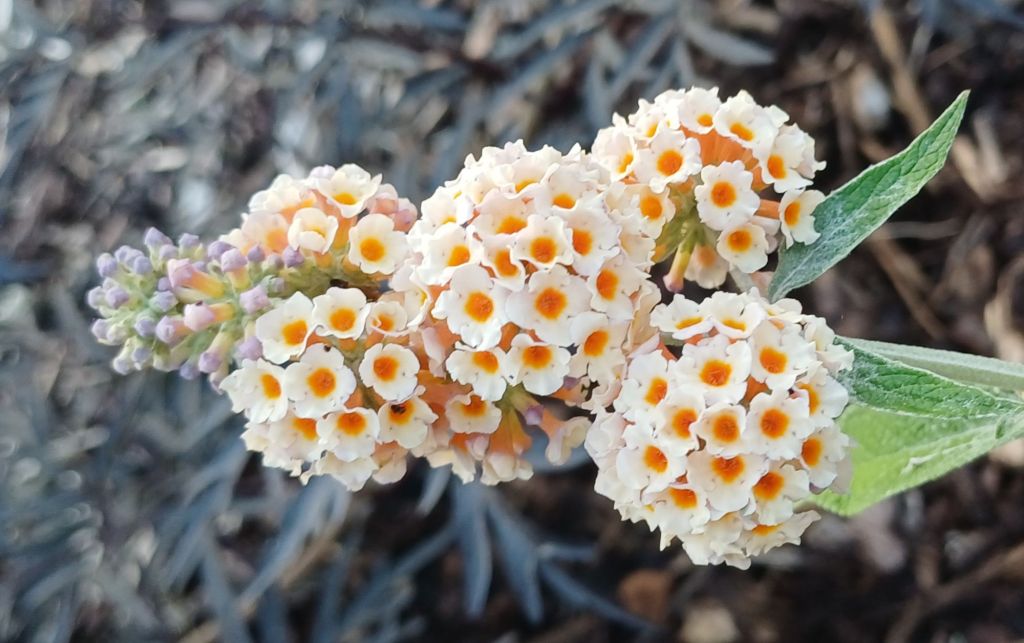
Meanwhile, the buddleias are still putting on strong displays. I’m looking forward to seeing them more established next year. I’ll return to the subject of buddleias in a future post—writing about them is something I want to do, but it’s also a slightly daunting prospect as I have so much to say. I have a Buddleia obsession, so I need to think it through thoroughly and make sure I get it right. That’s all on that for now.
As the garden begins to quieten, there’s plenty of beauty in the seasonal changes. The garden isn’t closing down; it’s simply transforming. Whilst I will miss the buzz of summer, there’s still so much to appreciate—the structure of bare branches, the new buds filled with optimism, and the satisfaction of knowing that, even in an apparently dormant state, the garden is still growing.
Not much to say this time—last weekend was mostly spent catching up in the garden, after the rain caused a surge in growth. Nothing dramatic, just the usual: weeding, deadheading, mowing, tidying up. The kind of stuff that’s enjoyable enough to do but soul-destroyingly boring to write about, let alone read. I swept grass clippings off the path… Zzzzzz! Torture. So I’m not going to write about any of that.
Instead, I’ve stolen an idea from other blogs—a trend called Six on Saturday: six photos, posted on… a Saturday (revelation). I liked the concept, so I pinched it. But I’ve gone a bit rogue. Eighteen for August. Because, why not! August was a good month, and I took too many photos. Here are eighteen of them.
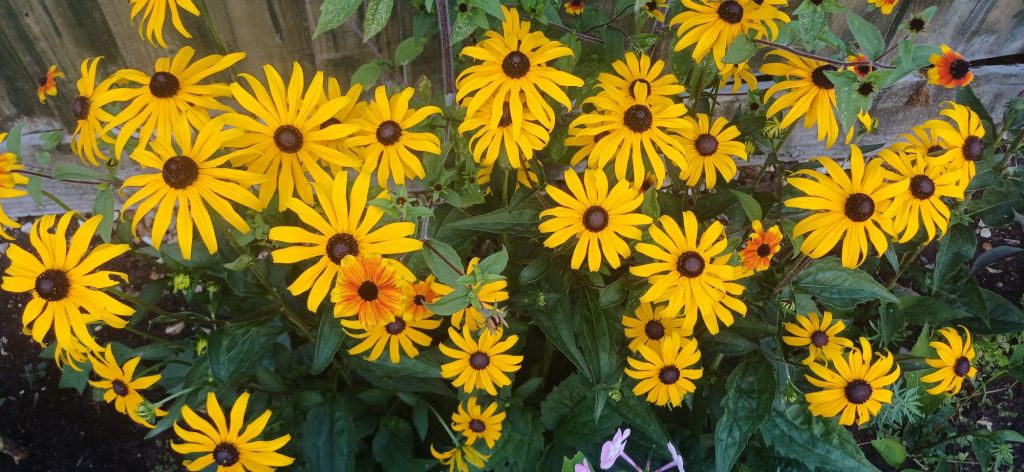
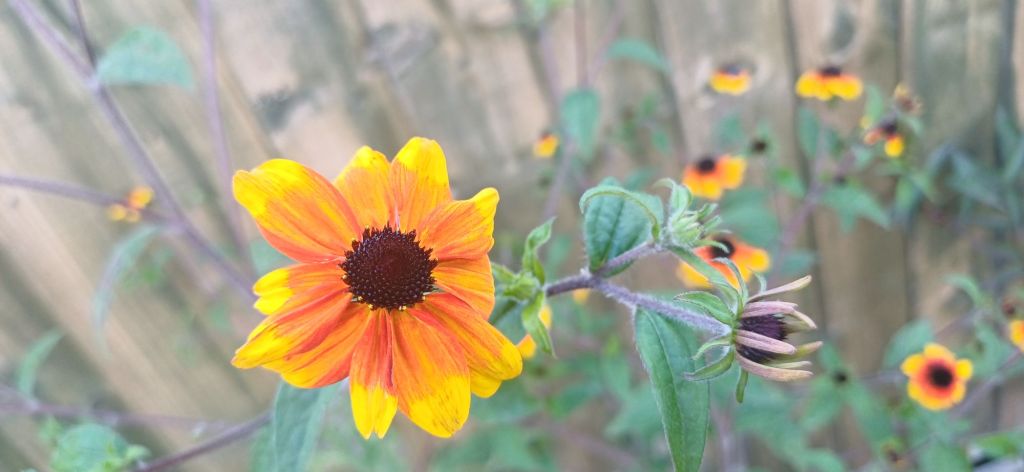
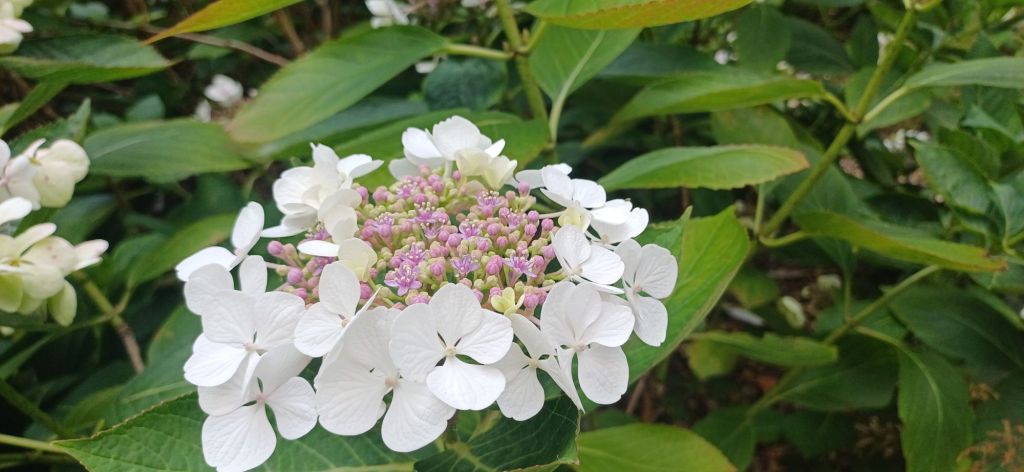
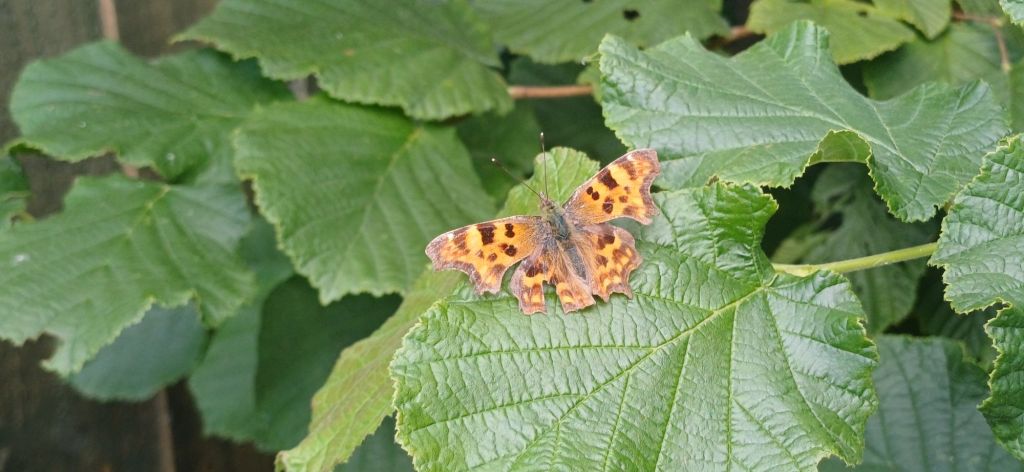
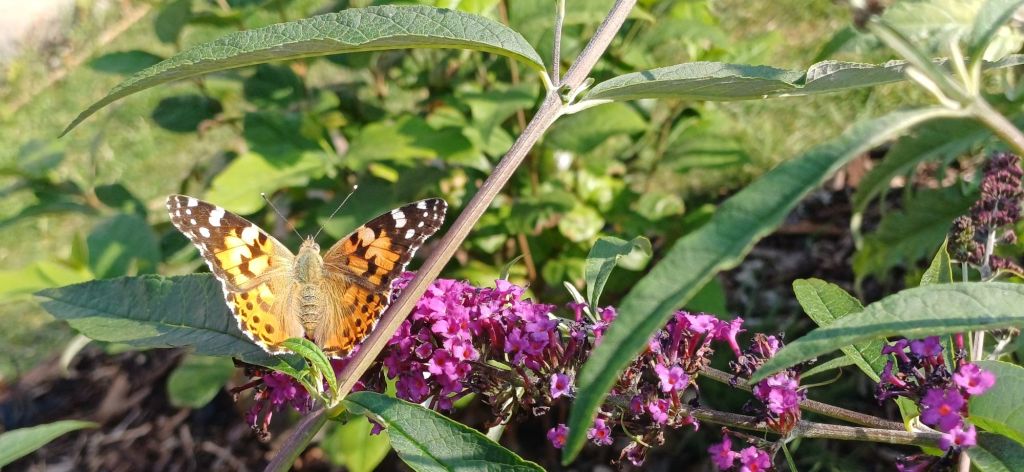
Rudbeckia ‘Goldsturm’Rudbeckia ‘Prairie Glow’Echinacea ‘Green Twister’Hydrangea Macrophylla ‘Glam Rock’Hydrangea Paniculata ‘Vanille Fraise’A random Hydrangea I spottedPelargonium ‘Contrast’Japanese Toad LilyCommaPainted LadyHoverfly having a restFully loadedMonster flower budGnarlyA Mahonia to aspire toBullaceMuch needed rainEnjoyable droplet formationWonderful Buddleia ‘Moonlight’
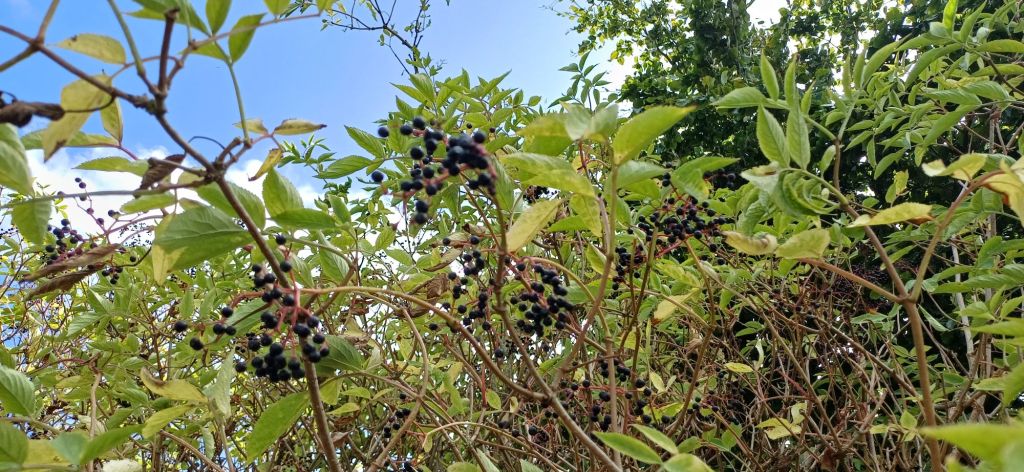
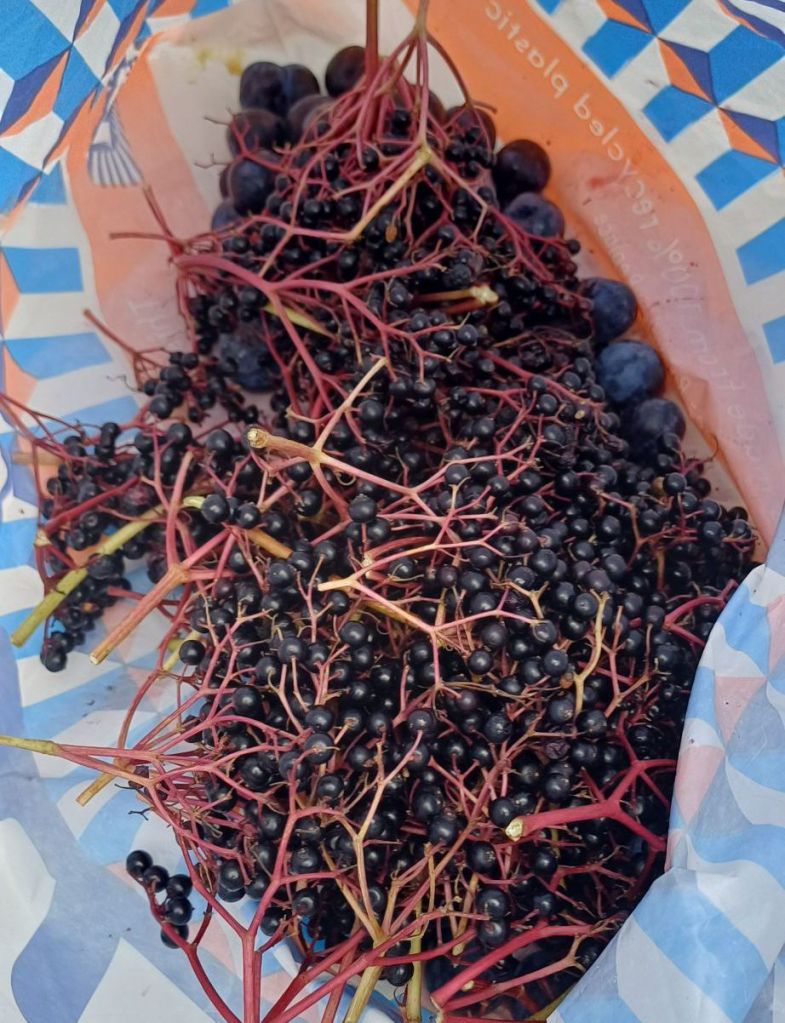
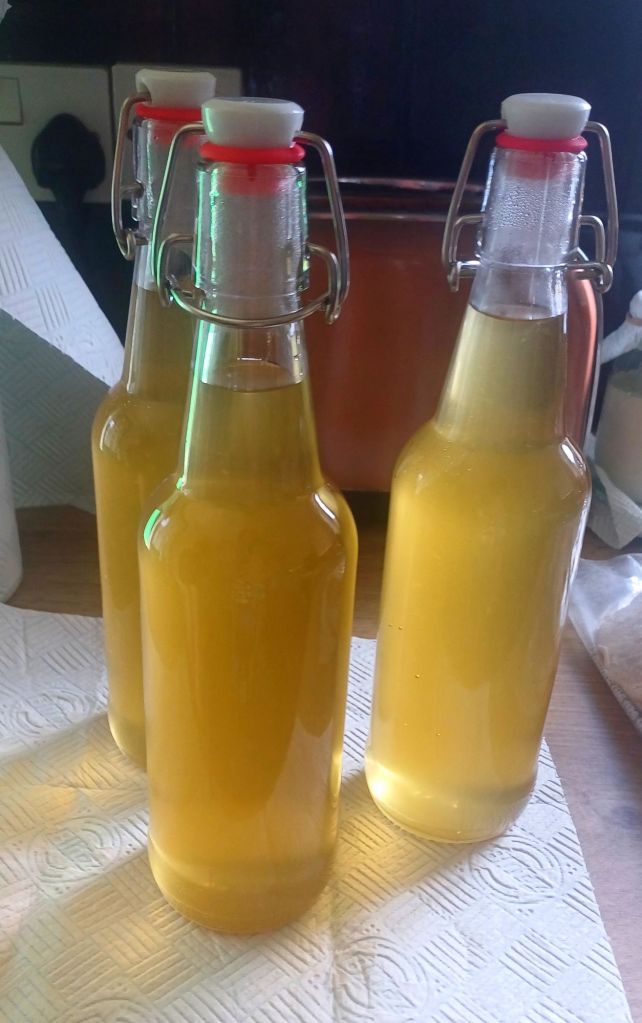
The elderflowers are long gone. But there’s another chance to enjoy elder, and it’s happening right now. From late August to October, the same bushes you gathered elderflower blossoms from will now be full of berries. Having had such success and pleasure from the flower cordial, I’ve decided to make a berry cordial. Syrups are super simple, and from my early experiments, I can confirm: this was a good choice. It makes a deep blood-red syrup and an almost Tizer-red fizzy drink when mixed with sparkling water.
Elderberries are easy to identify by their drooping clusters of small, glossy, dark fruit—presumably weighed down by their own juicy abundance. I snap off whole bunches and bag them as I go—far more efficient than fiddling with stems in the field. Once home, all you’ll need is a fork to remove the berries from the stalks; it makes light work of it. It’s far easier than harvesting the flowers, although you’ll probably end up with red-stained fingers unless you wear gloves.
Once removed, I give the berries a light rinse and place them in a saucepan with just enough water to cover. I heat gently and use a masher to extract all the goodness and flavour. Once I’ve encouraged as much out as I can and the berries have boiled, I cool and strain the liquid through muslin cloth. Measure the strained liquid, return it to the pan, and add sugar equal in weight to the volume of liquid—so for 500ml of strained juice, add 500g of sugar—plus ½ teaspoon of citric acid per 500ml of syrup. Bring to a boil to dissolve the sugar, then cool, bottle, and store in the fridge.
The taste of the finished cordial is fantastic—a real surprise. It’s nothing like the flower cordial; it’s completely different, a true wonder of its own. The flowers are unbeatable in flavour, but the berry cordial holds its own—rich, bold, and full of character. The flavour is distinctly adult—dark, fruity, and bold. If the flower cordial makes summertime in a glass, the berries definitely capture autumn in the same way. I’ll play around with additional ingredients next time—maybe some ginger and cinnamon. Trying different things, having a go—it’s all good enough reason to go collecting these wild ingredients. There’s something very wholesome about turning overlooked berries into something delicious.
Foraging and making use of the wild foods around us is a joy and a useful skill. It may have fallen out of fashion, but that’s likely due to the difficulties in processing, making these ingredients less commercially viable—not because of any lack in quality or flavour. Just like tomatoes and other vegetables you might grow yourself, you won’t find anything in the supermarket that tastes as good. The syrup is almost healthy too, if you overlook the sugar content. You can enjoy it as a treat with bonus immune system benefits. Elderberries are rich in vitamin C, antioxidants, and fibre. Many of these plants have been used for centuries as folk medicines for colds and flu. Whether or not it really works, it is nice to think there’s more to it than taste. It’s a great reminder that nature gives us so much—and not everything has to come wrapped in plastic.
As I’ve mentioned in a previous post: learn about the plants you’re seeking and make sure you identify them correctly. Research and experimentation are fun when you get it right—less so when you don’t. This is not a guide; there’s no substitute for careful learning. But if you’re cautious, making sure you’re completely certain of what you’re doing, elder will reward you. Again!
Apples, damsons, bullace, blackberries, sloes, and a scattering of nuts are also ready from now going into autumn. Worth a walk, if you’ve got a basket ora bag. Better still, add elder to your garden, then you won’t have to go far.
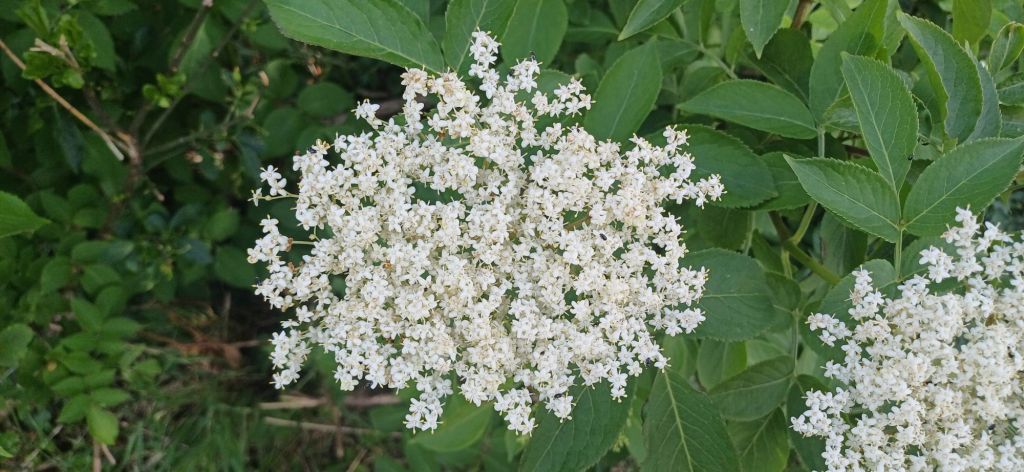
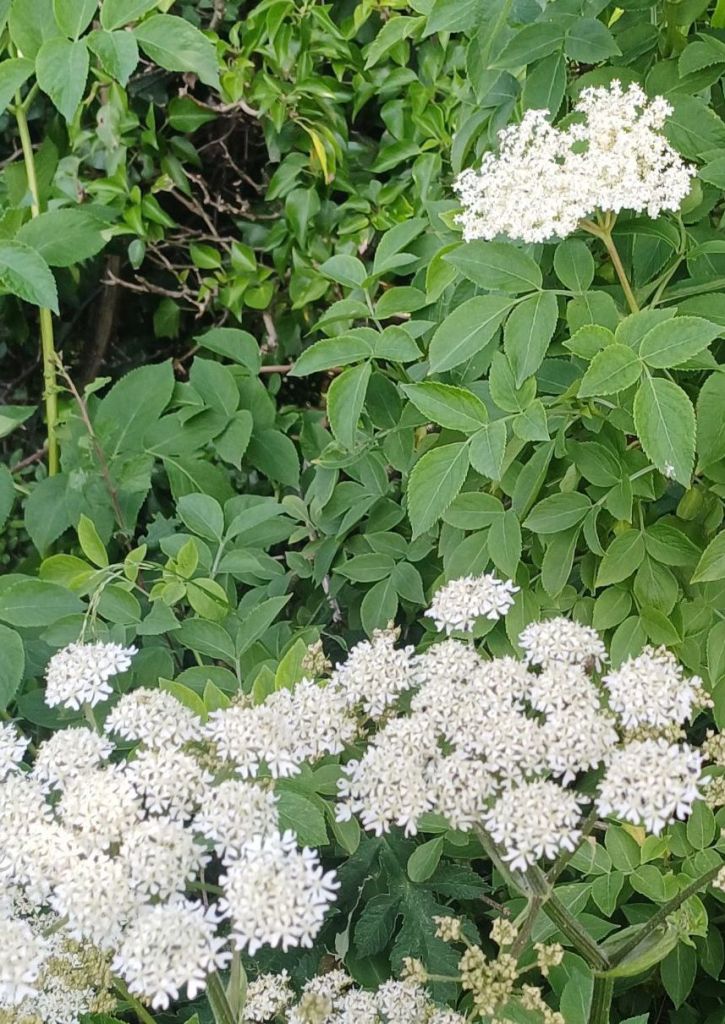
In late spring and early summer—May and June—there’s plenty going on outside. Flowers are appearing everywhere, insects are buzzing around, you could be forgiven for missing the soft, puffy clouds of elderflowers in the countryside hedgerows. Sambucus nigra, the common elder, is found all around the countryside. It’s no attention-seeker, but once you have found it, its flowers are an irresistible invitation to get to know it well.
Common Elder
The scent is delicate: sweet like honey, maybe a slight citrus blossom background note, with a pinch of something that says summer is here. You can catch the fragrance in the air as the morning sun illuminates the fluffy blooms. The fragrance clings to your skin, as does the pollen if you pick the flowers—and you really should pick the flowers.
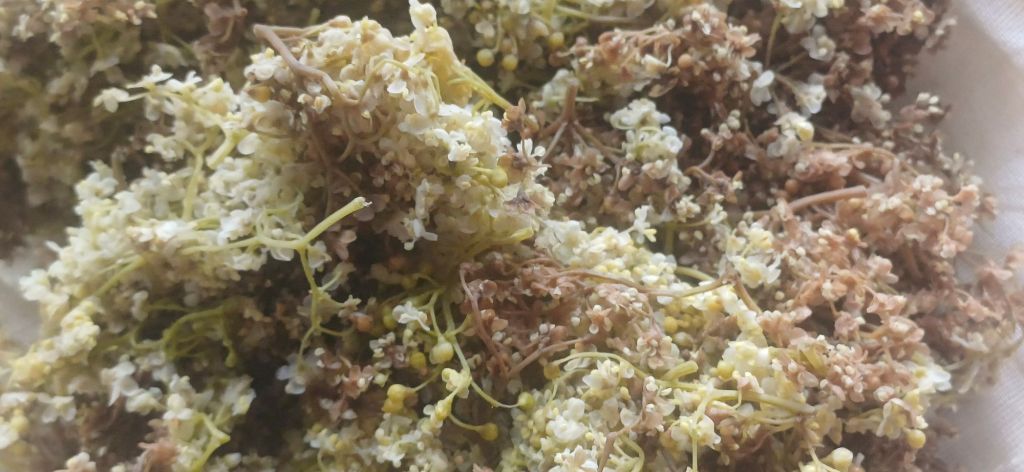
Make elderflower cordial—make loads, and freeze it. Don’t just target one bush—go for a nice long walk and take a few flowerheads from each elder you come across (unless it’s near a busy road). Let the scent guide your picking—smell each flowerhead. Choose the ones that look bright and smell vibrant. Avoid any that are browning or carry a strange odour.
You’ll need to do a bit of research to confidently identify common elder before you go. Pay attention to lower flowers—I’ve seen similar white blooms from potentially poisonous plants growing through lower elder branches and appearing to be part of it. So be careful, but don’t let that put you off.
Lower level impostors
Once you’ve dabbled with cordial, there’s plenty more possible uses to explore. Maybe try elderflower champagne, if you’ve got any experience with fermentation or brewing. I haven’t mentioned all of its uses, so start your own investigations online and find an idea that inspires you. Perhaps the medicinal properties will be of interest—or maybe the folklore and myths surrounding elder.
For me, cordial is my main interest. I don’t care much for shop-bought juices filled with artificial sweeteners—I’d rather lose my teeth to real sugar. At least it’ll be a sweet demise. Inevitably, as a result of my distaste for the artificial, I drink flavoured cold drinks less often, and as such this is a homemade treat that I really love. The taste is like a sunny summer countryside day. Every mouthful is summer itself, and if paired with sparkling water, the experience is elevated hundredfold.
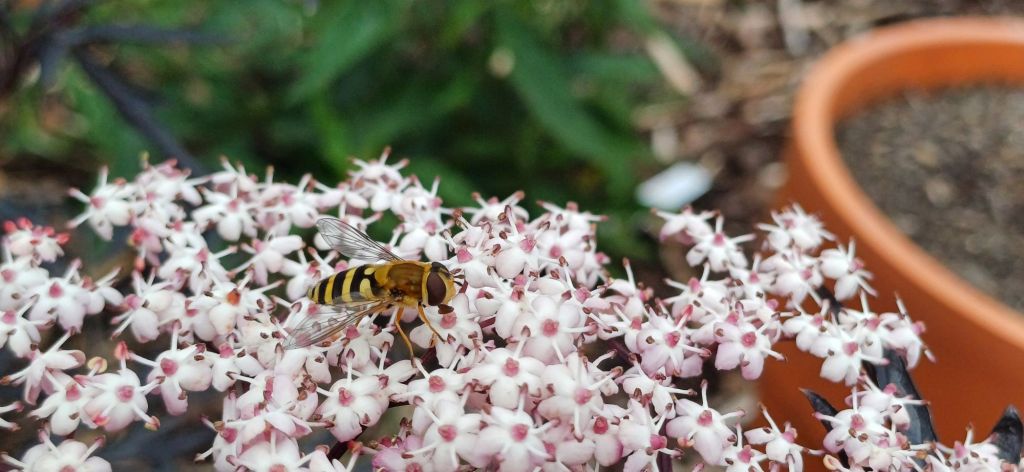
Wildlife seems to love elder as much as I do. In addition to the uses I enjoy, it brings wonderful insect and bird visitors too. So it should come as no surprise that I wanted it in my garden.
I love hoverflies
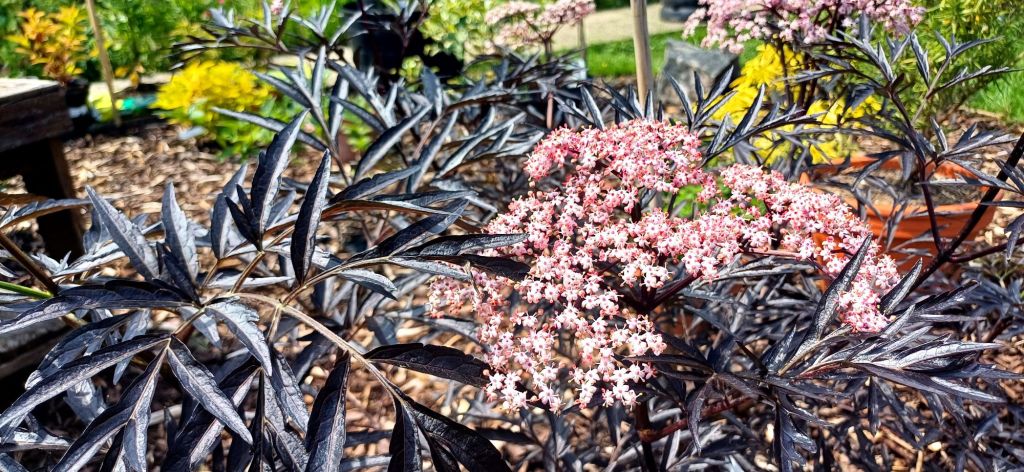
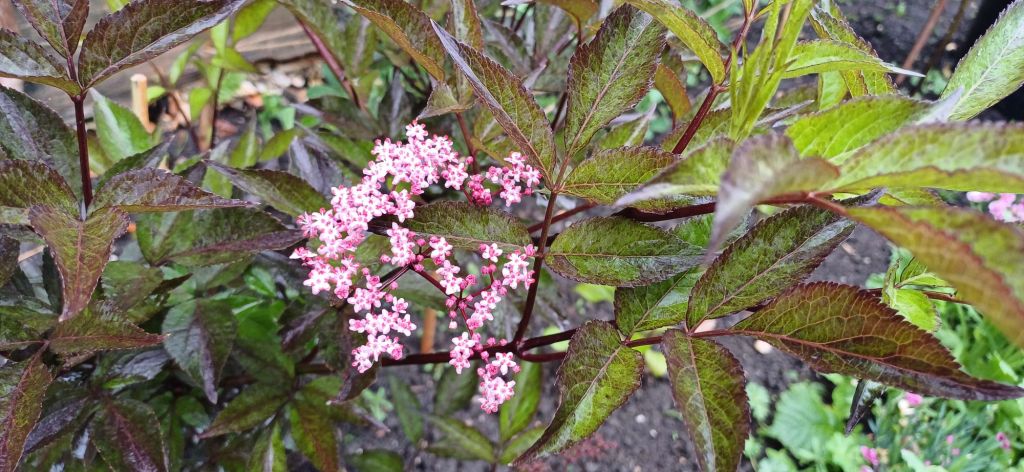
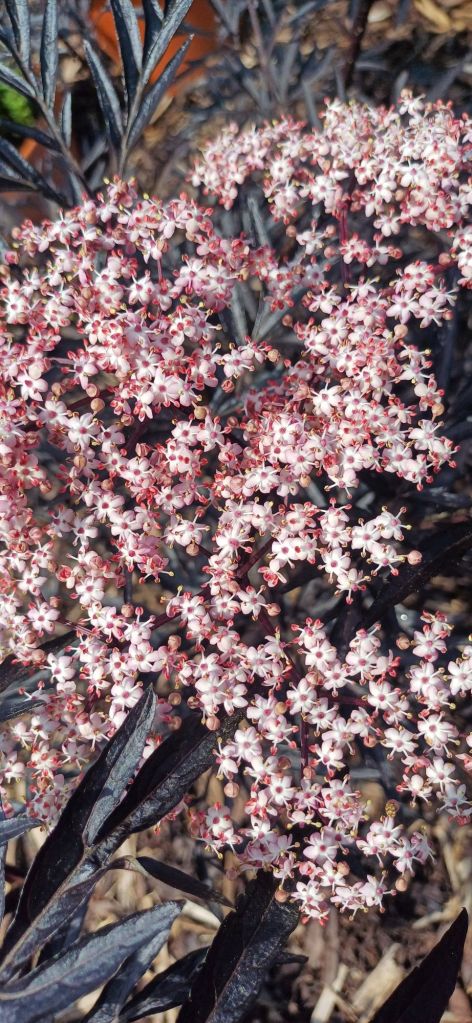
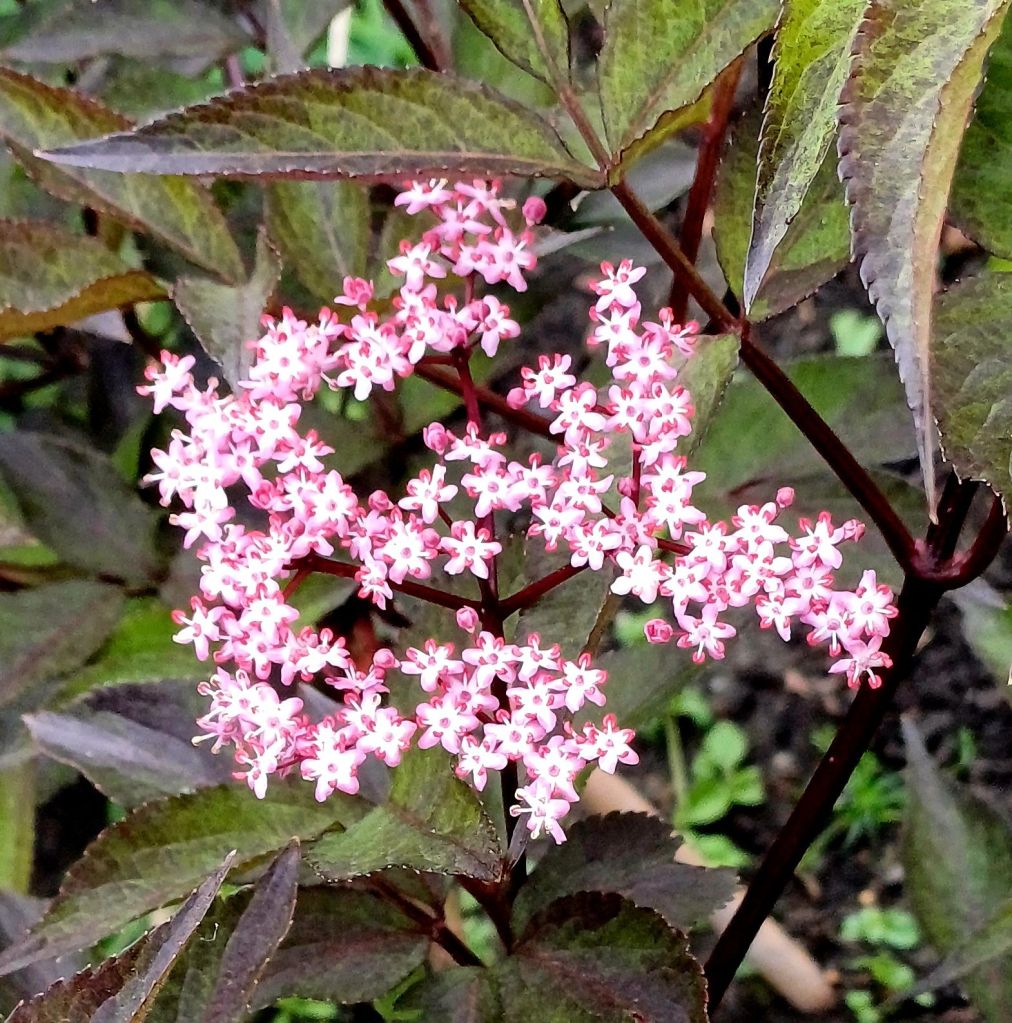
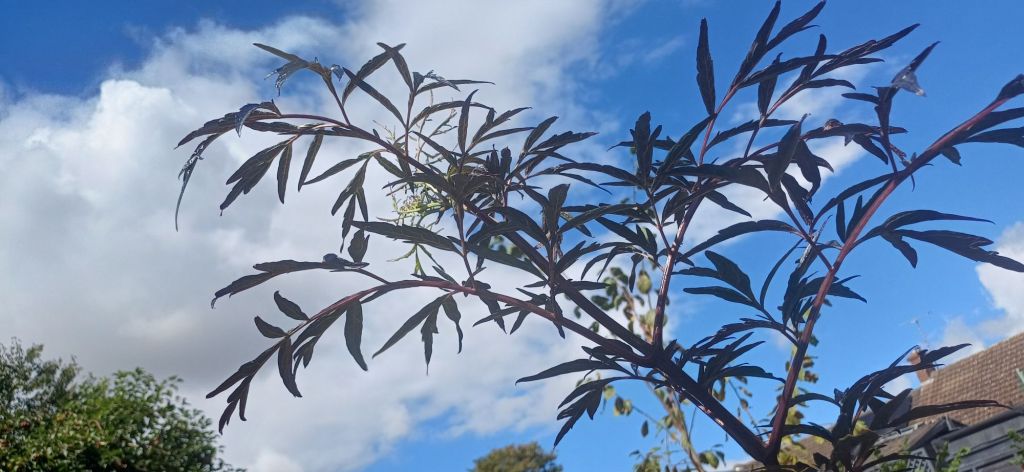
Bringing elder into the garden wasn’t entirely smooth. I knew I loved the plant and bought several common elder saplings from a hedge plant specialist online. But no sooner had I planted one, I discovered the fancy varieties: ‘Black Lace’, with almost acer-like leaves, and ‘Black Beauty’, whose foliage resembles the common elder but in darker tones. I pulled out the common elder and quickly replaced it with one of these fancy specimens, followed by another placed elsewhere.
Black LaceBlack Beauty
Once planted, they grew fast—filling out their space within months. These varieties flower pink, and against the dark leaves, the colour really pops. Have a look at all the varieties—there’s something for everyone.
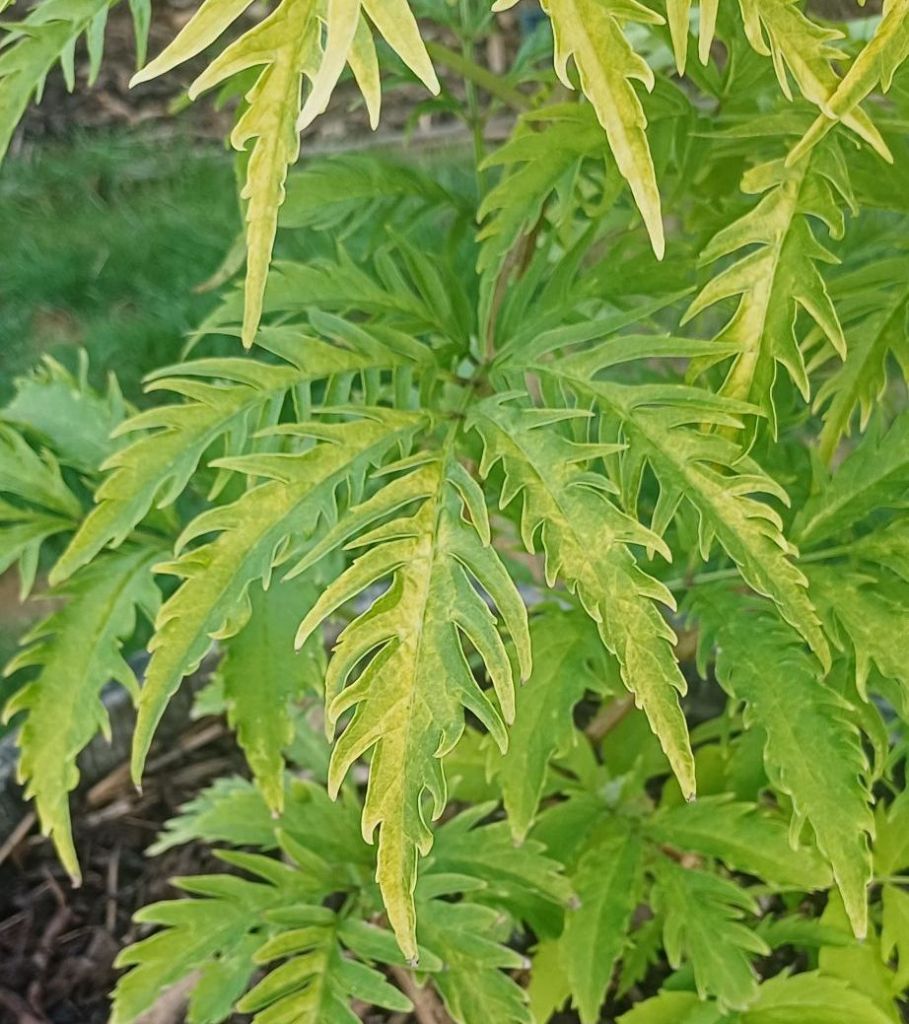
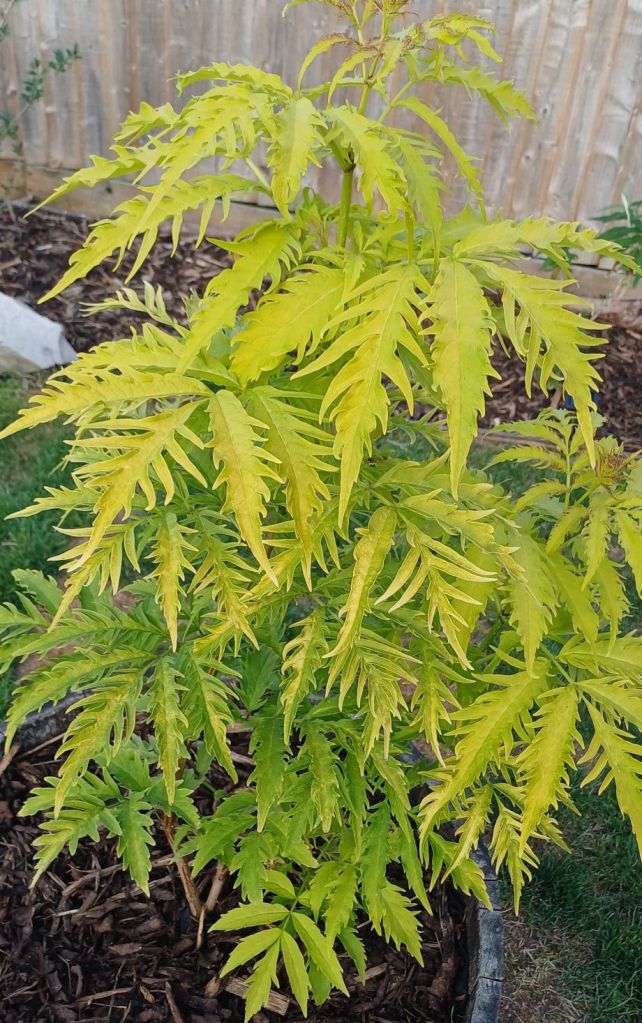
Since those early arrivals, I’ve added a red elder called ‘Sutherland Gold’, with beautiful, golden yellow, almost fern-like leaves. ‘Sutherland Gold’ isn’t Sambucus nigra, it is in fact a cultivar of red elder Sambucus racemosa, a beautiful fancy variety, which can be used in the same way as Sambucus nigra according to online sources, and could make a wonderful addition to any garden.
Sutherland Gold
That really should be it for my garden but, as per usual, I’ve been looking. Two other varieties stand out, a variegated elder called ‘Madonna’ and another called ‘Lemony Lace’. I’ve no clue where to place them just yet, but I really would like to add them to my garden in the future. I think I need a bigger garden!!
So yes, respect your elders—they deserve it! Whether you’re wandering along hedgerows or planning your next resident garden plant, take a moment to notice and consider elder. Its common form may not shout for attention, but it offers more than enough to earn your respect and you could easily grow one from a wild cutting acquired during a late summer ramble. Alternatively, buy a nice showy one from your local garden centre and enjoy all the same summer rewards with looks to match. Once it’s part of your life, you might wonder how summer ever felt complete without it.
Disclaimer: I’m not a botanist, just an enthusiast. If this inspires you to try something, brilliant — but it’s entirely your responsibility to learn how to do it correctly, safely, and legally. I’m only talking from personal experience. So, very simply, don’t go making yourself prematurely dead.
Yesterday, I experienced a garden of endless calm. Not my own, but one of those open estate gardens you find dotted around the countryside. This particular one was Longstock Park Water Garden. https://leckfordestate.co.uk/longstock-park-water-garden
We arrived about five minutes before opening time. It was a warm morning—like most this year—dry and a little hazy. The air held the scent of sun-heated vegetation, and something sweet and earthy. We paid our entrance fees and were granted access.
First steps inside
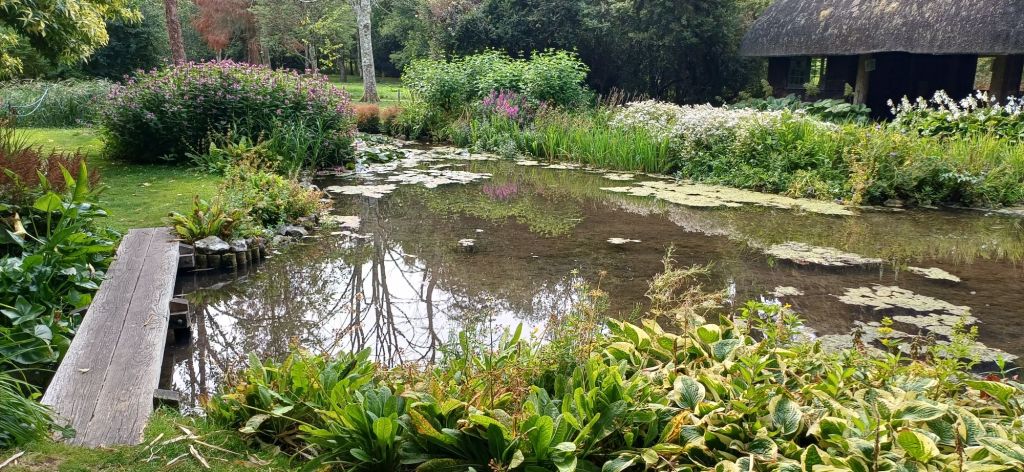
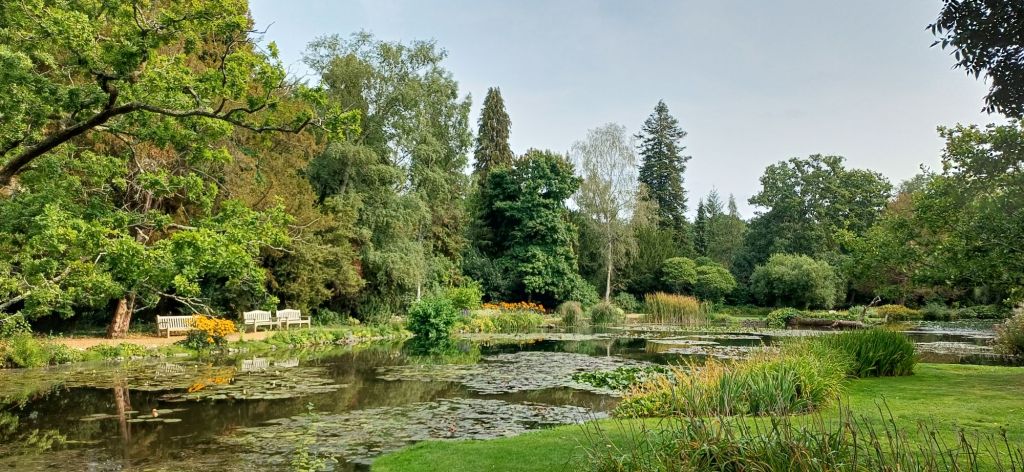
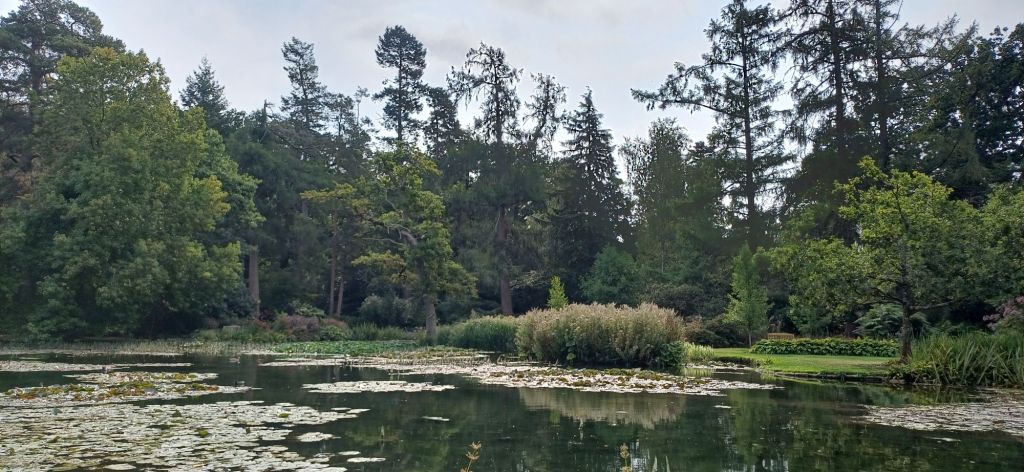
A few steps in, the little tree-lined path opened out to a large pond surrounded by perfectly placed trees. Everything about it was drenched in tranquillity. The well-timed dance of tall flowering plants swaying harmoniously in the breeze. A continuous, delicate shhhhhhh sifting through the leaves, and the Water Lilies gently bouncing with the ripples upon the surface of the pool.
As we began our walk around the gardens, I first noticed a giant variety of Rudbeckia growing along the path—towering yellow flowers, seven feet tall or more. I always appreciate bumping into perfect specimens of plants I’m either growing or trying to grow. They encourage continued care or inspire me to keep trying. In this instance, I believe these Rudbeckia to be of the Herbstsonne variety. I did have an attempt with these at home, but the slugs looted the lot in the blink of an eye. Although that was a disappointment, I did have success with two other Rudbeckia varieties: Prairie Glow and Goldsturm. I’ll be sure to try establishing a patch of Herbstsonne again next year.
Rudbeckia selection
The walk was unguided, and as we curiously roamed, we found wooden bridges leading to small grassy islands in the pool, all interconnected—appearing to divide the pond into separate sections. All around, new interest popped up as we wandered: exotic trees and plants, Hostas down low, and giant Redwoods reaching far into the sky like forest skyscrapers.
Sleeper bridge to another island
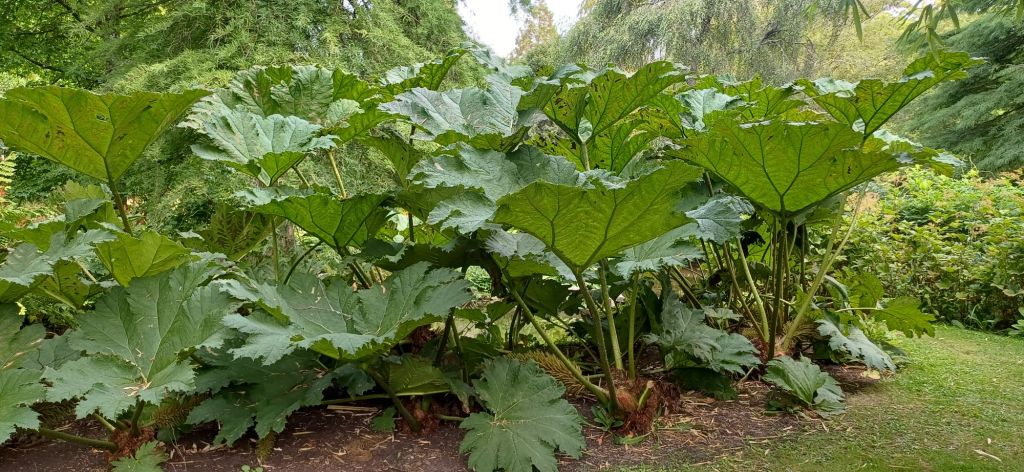
A huge Gunnera on one of the islands stopped us in our tracks. It’s hard to ignore a plant with such enormous leaves. Whenever I spot one, I instantly picture a comical caveman scene—using the leaves as umbrellas in the rain as they went about their hunter-gatherer business thousands of years ago.
Nature’s umbrella
Bees were abundant, seeking out their favourite pollen-packed flowers from their nearby hives. Many blooms were humming with insect activity. It felt as though the place was in synchronicity with nature—ducks rummaging through lily pads for snacks, shoals of fish visible just below the surface, seemingly awaiting one to make the first move so they could all set off together.
Honey production factories
Along the bank, uplifting scenes of damselflies and butterflies flittering hither and thither. They seemed to be having just as good a time as we were.
The water gardens provide such a wonderful place for wildlife to thrive. When you see that kind of response to a garden—it’s almost like nature is giving some kind of approval.
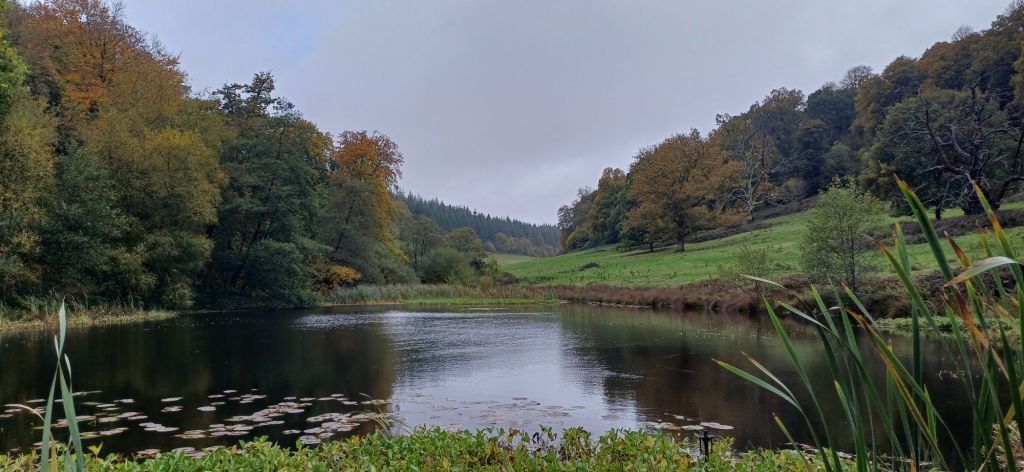
As the seasons change, I can imagine these gardens taking on exciting new moods. The wild, natural look would play into those changes beautifully. It must take a lot of work to keep this place looking the way it does. As much as I enjoy a formal garden, it’s the wild, informal ones I want to learn from most—because I want to craft that natural feel into my own.
We wandered back toward the entrance, the relaxed atmosphere of the water garden still lingering around us. I left with a renewed sense of patience—reminded that even the most amazing gardens are shaped by persistence, care, and a touch of the wild. These gardens don’t just fill you with awe and admiration; they offer ideas and encouragement.
I carried that feeling home with me, and let it guide the next steps in my own patch, once I break free from the current indoor DIY tasks that are sapping the life out of me, and keeping me away from the garden. That said, I still have plants being delivered, so even when I’m busy inside, my mind is outside.
It arrived over the fence—a twisted-looking root ball wrapped in plastic packaging. My neighbour called it a Cardoon, though to me it could have been anything. I hadn’t asked for it, hadn’t planned a place, but there it was. A quick Google search revealed its mystery: a cousin of the thistle and a relative of the artichoke, albeit grander and more sculptural.
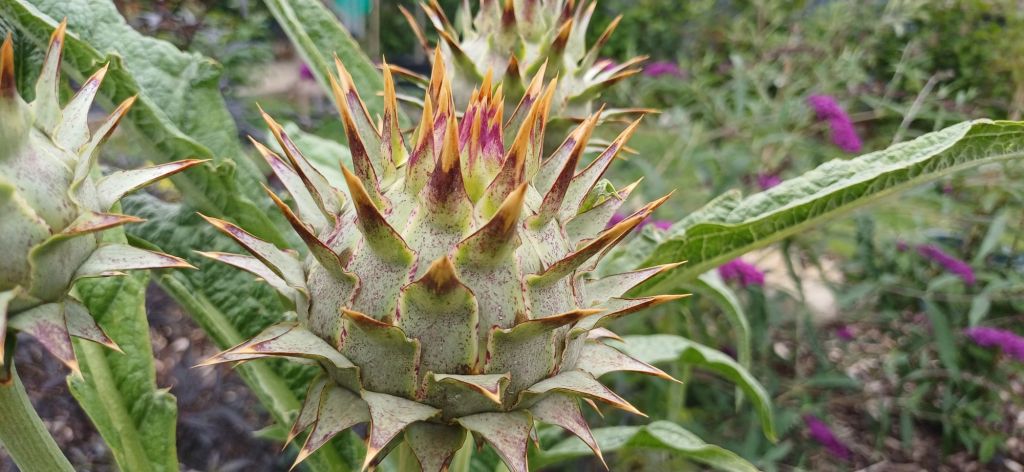
I planted it in a large pot I’d been using to store garden soil, mixing in some fresh compost and a scattering of chicken manure pellets. It didn’t do much for a week or so, then a small leaf unfurled in a somewhat laboured fashion. Week by week, it reached out further. By summer, it was more a presence than a plant—leaves like outstretched mythical tentacles, stem as thick as a wrist, and spiky, grenade-looking flower buds that promise either an explosive bloom or an injury, depending on your approach.
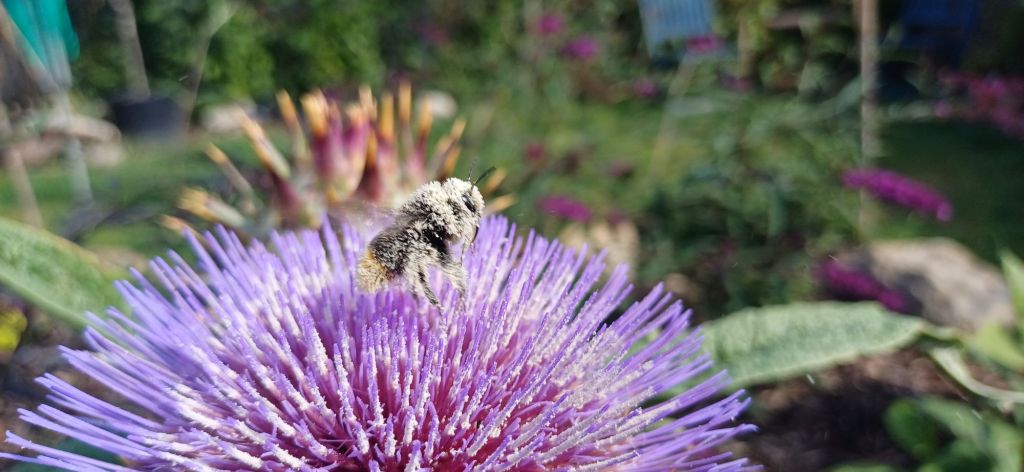
Bee’s dive in and get covered in pollen
With Mediterranean origins, Cardoons are an interesting plant. It is edible with some preparation, though they’re mostly grown for their striking appearance. To me, it’s the quintessential triffid—towering up to eight feet tall with large thistle-esque flowers. An imposing, prehistoric-looking plant that bees adore.
Incidentally, while training a new colleague at work recently, we got talking. I shared some photos of my garden, including one of the Cardoon. It turns out Cardoons are native to Portugal, where my colleague is originally from—they grow everywhere! We had a good laugh about how a weed in one country can be an exotic treasure to gardeners elsewhere.
Once winter arrives, the dried seed heads should continue to provide some visual interest. For birds, they offer both a source of food and a fluffy material sometimes used for nesting in spring. Plants that appeal to wildlife are welcome in our garden.
It’s a pleasure to have neighbours as crazy about gardening and plants as I am. Their garden has been both an inspiration and an insight into the potential of ours since it shares essentially the same footprint. I shouldn’t mention the fact that I send my neighbour videos of my Cardoon—because it’s growing twice as fast as his. Hahaha!
Anyway, fancy a touch of the absurd next year? Grow a Cardoon. Better yet—buy three, plant two, and surprise your neighbour with the third. Because gardens are better when they’re a little wild—and a little shared.
Anticipation builds as the flower buds get bigger and bigger
When we first moved here in 2023, the garden wasn’t welcoming us with flowers and wildlife. It greeted us with long, wet grass. After weeks of rain, the ground finally dried, and I was able to mow. It wasn’t pretty, but it was a start. The tidier look pleased me, and though I had no idea what I was going to do with the garden at that time, I did know I wanted some plants.
In those early days, my thoughts were mostly practical. We wanted more privacy at the back of the garden, so I decided to plant a hedge. There’s a wide choice of shrubs for hedging, but this was the moment I began to wonder: what could the garden offer, not just to us, but to the wildlife around us too?
Hazel felt like the right choice. It’s native, it produces good nuts, and its wood can also be useful in other ways. Trimmings could become kindling or plant support sticks. In addition to that, bare root hazel saplings are super cheap—I ended up ordering thirty online, and they arrived in mid-November 2023.
Planting was harder than I’d imagined. I had few tools, the ground was heavy with moisture, and my gardening knowledge was minimal. So I improvised: I made shovel slits in the lawn, tucked in the roots, and gave a good stamp around the base. It turns out this is a legitimate method—and it worked for me. Only one tree failed to make it into 2024.
The grass quickly became a nuisance around the young hazels. Mowing around them was difficult, and I worried about damaging them. To fix this issue, I scraped the surrounding grass away with a hoe and dumped bark chips around the small hazels. It wasn’t a great job, but it kept about 90% of the grass from returning.
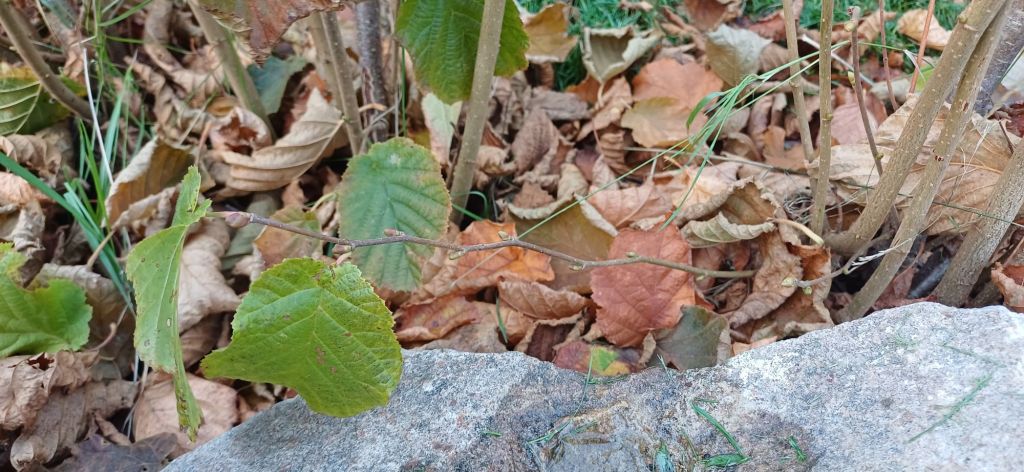
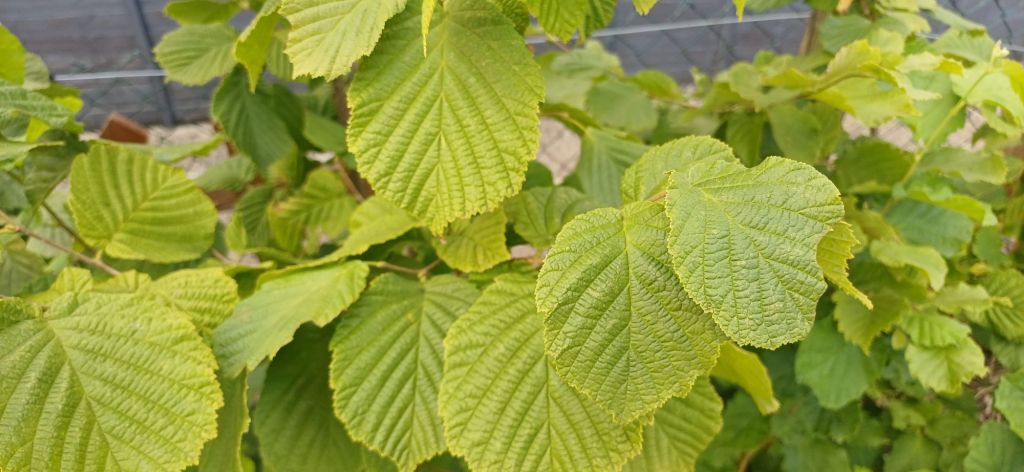
In spring, they didn’t exactly burst into action, it was more of a slow and steady start. Throughout 2024, the hazels remained just single thin sticks with some leaves on. I wondered if they’d ever grow. Spring 2025, the hedge eagerly came to life. Branches appeared, and suckers emerged from the base of each plant. I’ve read plenty about removing suckers from certain plants, but I decided to let them stay with the hazels, as I want a bushier hedge, and the suckering habit seems its natural one.
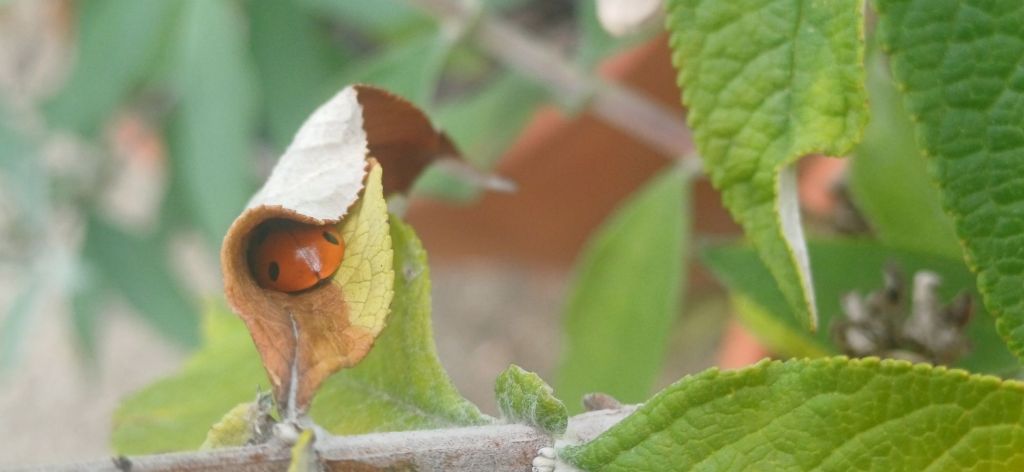
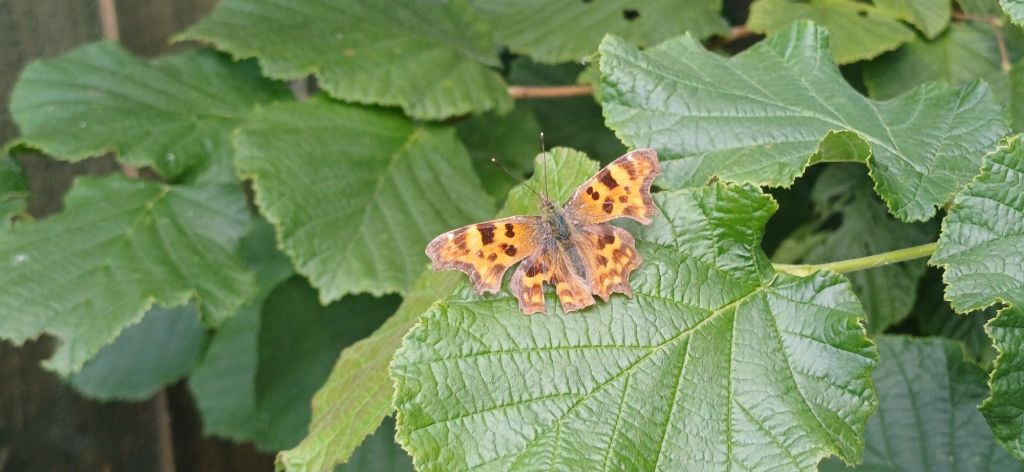
Now, hoverflies and butterflies bask on the large leaves. Ladybirds congregate in hordes. The hedge has become a home to them. With a bit of luck, next year will bring even more vigorous growth and privacy, maybe it’ll even need trimming into shape. Until then, we wait and watch.
The garden remained a lawn and a young hedge for almost the entirety of 2024.


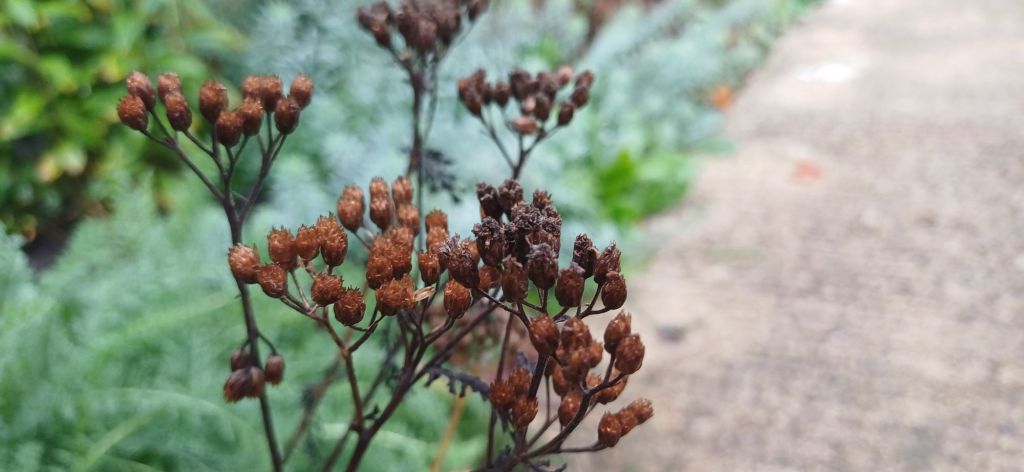
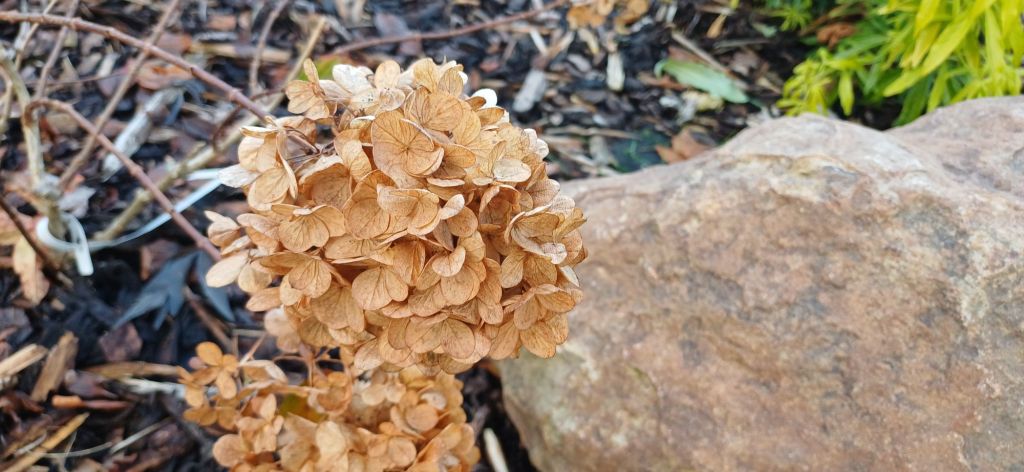
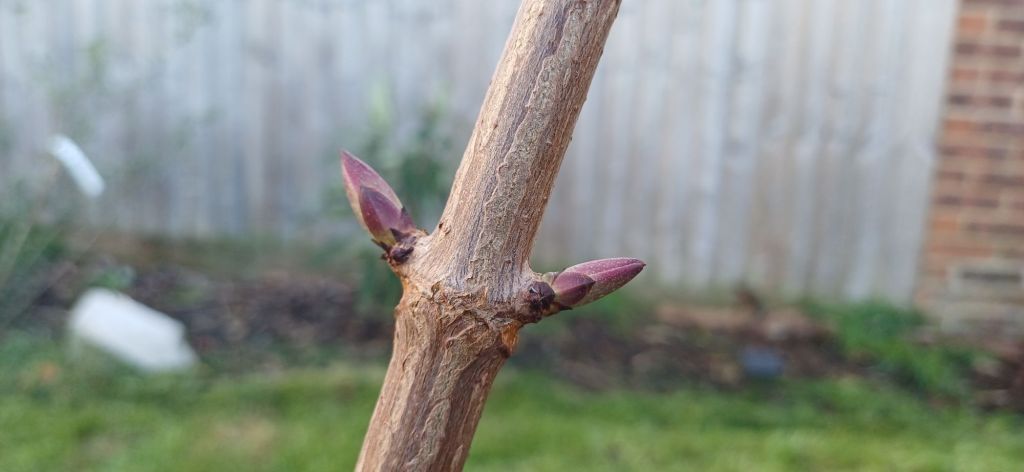













































 Shrubliminal